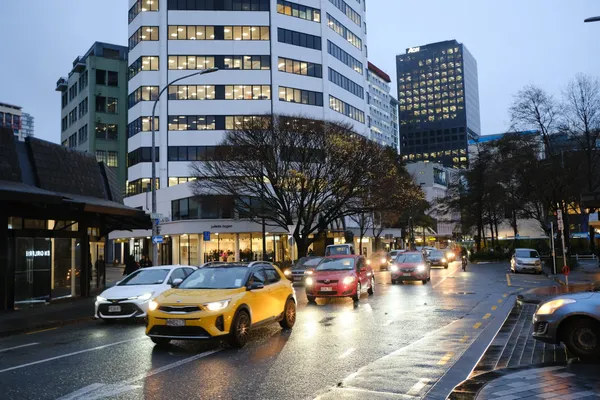


I’ve been in Auckland and Christchurch for work recently. Alongside feeling strange about flights, I’ve been taking in everything beautiful about central Tāmaki Makaurau and Ōtautahi.
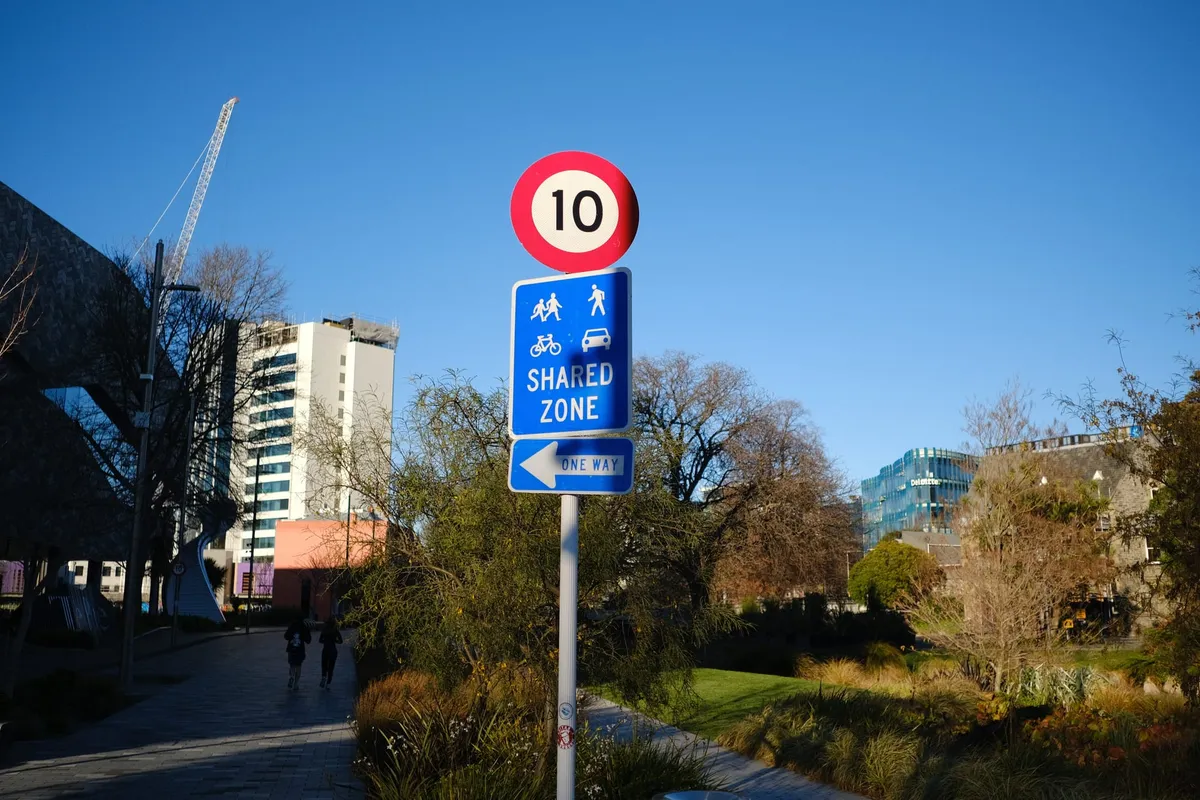
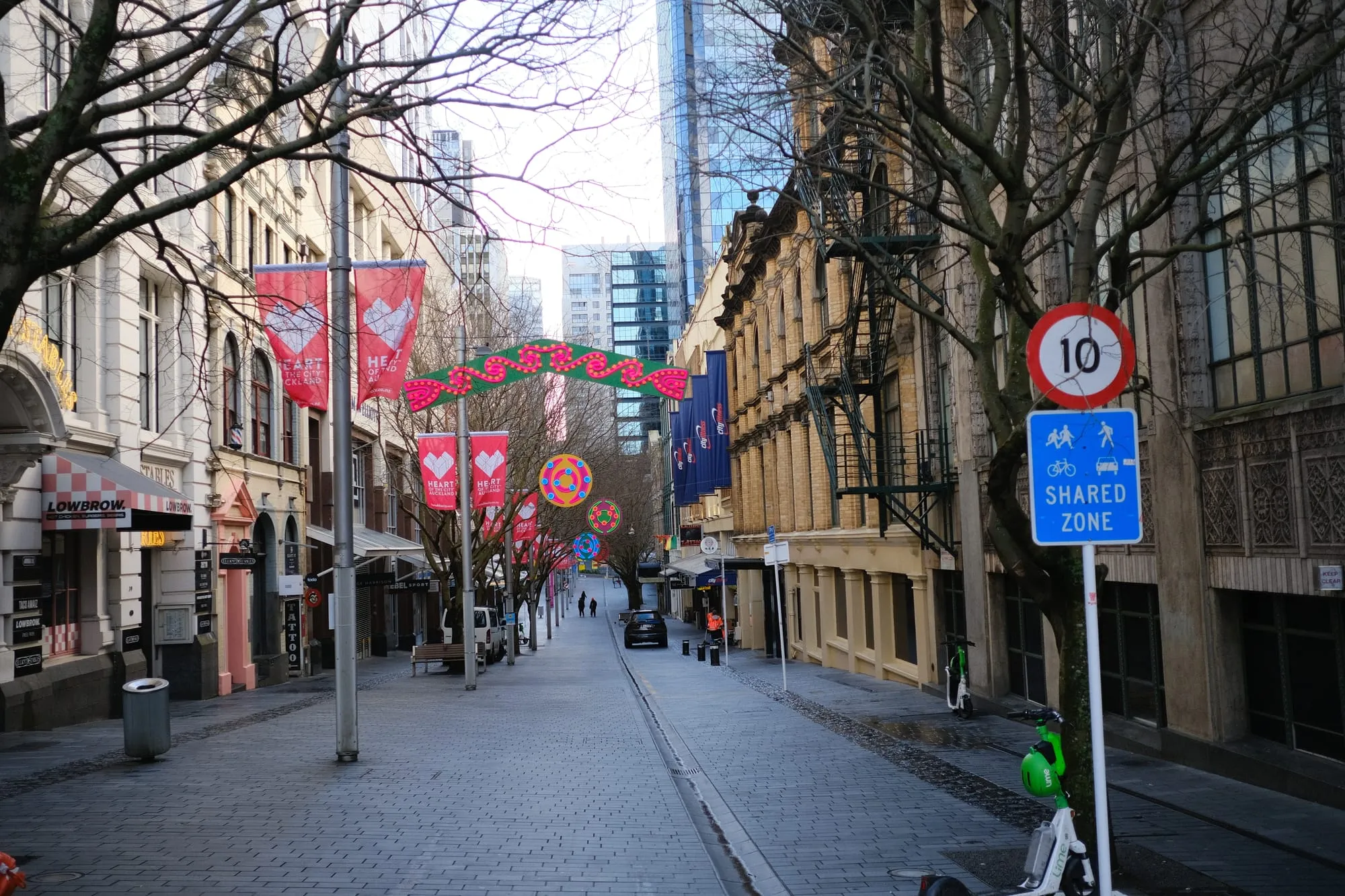
There are a lot of wonderful city spots. The ones I was most drawn to had something in common. They were 10km/h shared zones.
Cars had no dedicated lanes. Instead, drivers slowed and gave way to people on foot, on wheels, or biking about.
Streets designed like this, where people come first, make places nicer to live, work, raise kids, and explore.
Wellington needs more shared zones. To explore why, I want to outline the history of our streets and why they can be better city streets.
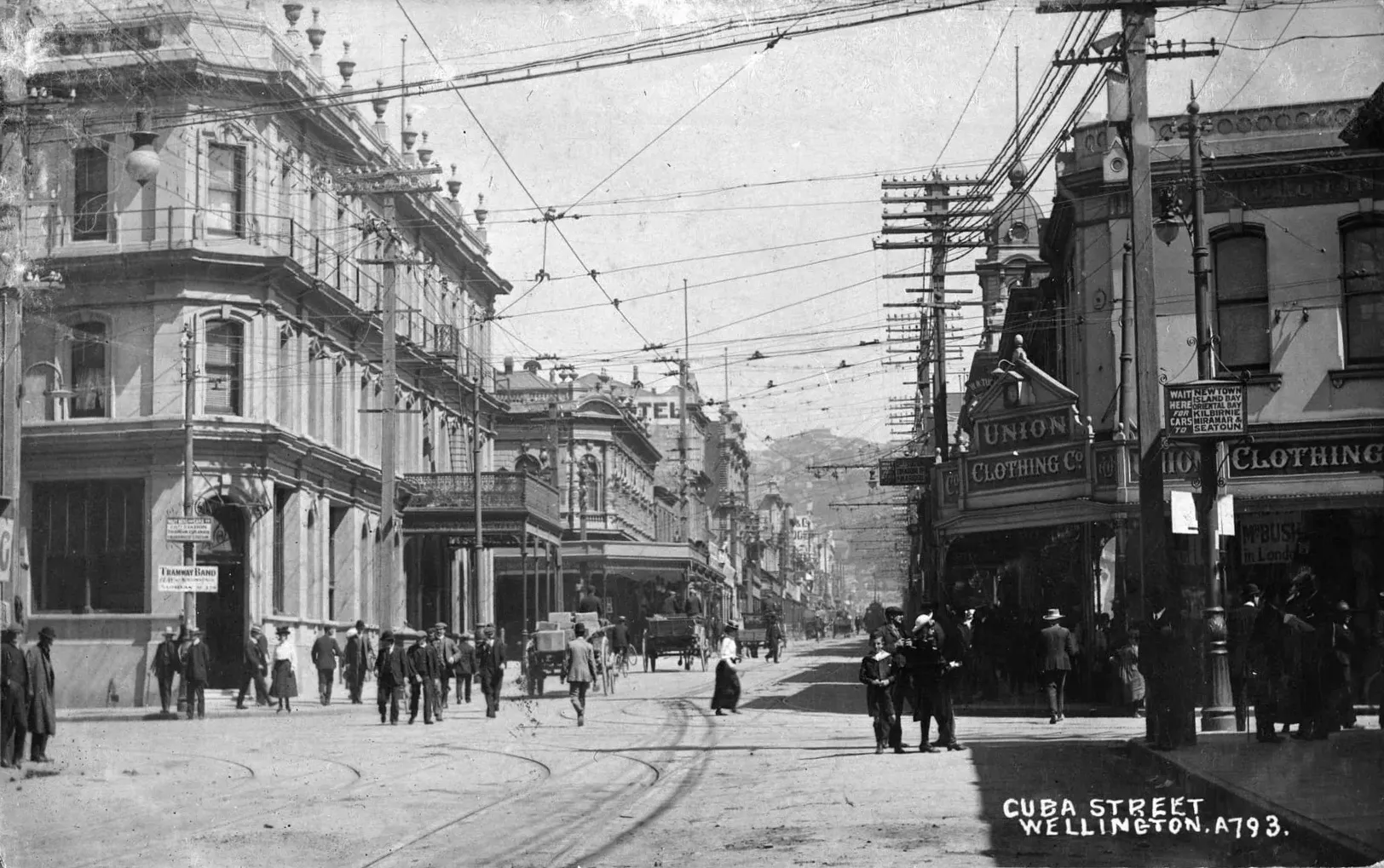
How we lost the street
For generations, streets were simply the space between buildings. “Efficient movement from A to B” was not a cultural priority.
The street was your community: your local market sold vegetables there and your children’s friends played there. Life was lived on the street as much as at home. Dedicated lanes weren’t really a thing: traffic was negotiated and people had the right of way.
Marco Te Brömmelstroet calls this the primeval street, similar to the biodiverse forests before colonising Europeans burned and felled them. Optimised for no one thing, but able to accommodate everything that lives there.
These forests, dense and knotted with hundreds of plant species, were difficult to quickly log for fuel. So people cut these rich forests and replaced them with “production forests”. Just one species, usually pine, evenly spaced and designed for quick access.
Production forests were efficient for loggers, and unsafe wastelands for everything else that depended on the rich ecosystem that came before.
Like forests, streets were ripped of their vibrancy in the name of efficiency. It was done to accommodate the torrent of increasingly affordable private vehicles. As the decades went on, children playing on the streets were killed by drivers. Instead of slowing cars down to prevent casualties, the street was surrendered to vehicles. Children were responsible for their own safety against heavy machinery speeding through their former playgrounds.
Streets became efficient for cars, and unsafe wastelands for everyone else who depended on the rich ecosystem that came before.
It’s been a century since politicians and engineers began dehumanising our streets. Shared zones are a way to restore parts of the primeval street: optimised for no one thing, but able to accommodate everyone who uses it.
What we get back
Done well, shared zones are a best of most worlds scenario.
Take the roads around Chancery Square in Auckland. Paving stones replaced asphalt. Speed limits slowed. Instead of having strict borders between person space and vehicle space, the streets became a permeable membrane.
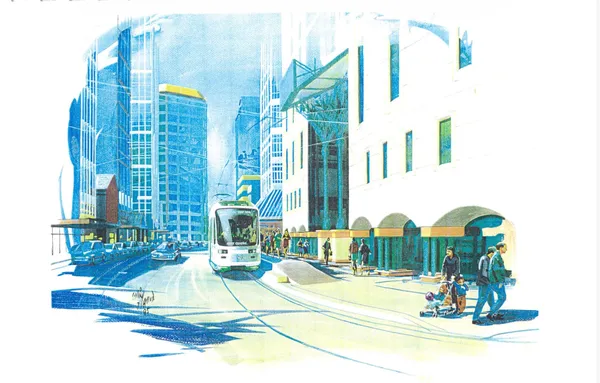
In Christchurch, Oxford Terrace runs a tourist tram line along the Avon River in a shared zone. Businesses have expanded beyond their doors with greenery. Delivery vehicles have access, but not priority – which likely helps cautious business owners stay on side. By narrowing the lanes with seating and art, people drive more cautiously.
Wellington could use a lot more shared zones on quieter city streets near the bike network. More journeys would be safer to ride while also giving more space to people walking or rolling.
Say you work on Grey Street. If it became a shared zone, you could have continuous safe bike access from Island Bay to work. The street would be quiet, except maybe for children laughing as they play on their way to preschool. Far better than the desolate environment waiting for a car to zoom through.
Another option could be Emmett Street in Newtown. Right next to a school and a bike lane, this street would be a marvellous spot to make slow and safe enough for kids to play. Shared zones expand the safe areas kids can explore autonomously.
You could go further and make most neighbourhood streets “residents only access” with safer speed limits. Residents would enjoy the extra space for safe family play.
Shared zones aren’t always the best option. For example, the Wellington waterfront. Bike riders want to go through this area fast, and people enjoying the ocean want to meander. Arterial routes benefit from dedicated lanes. But shared zones can help expand the reach of dedicated routes.
The stalled progress
NZTA created a programme to deliver safe street improvements like these called Innovating Streets for People.
Councils were funded to quickly change street layouts with paint and planter boxes. No lengthy construction disruption necessary. It allowed communities to test out better streets to feel the benefits.
Programmes like these were working, until Simeon Brown defunded them. As Transport Minister, he cancelled projects that keep kids safe. He increased speed limits around schools to lethal levels. He committed to astounding motorway expansion. People’s safety is not his priority.
But unluckily for him, all the safe street policy work still exists. We still know how to deliver these streets in a modern context.
If this Government is kicked out in November, their successors can quickly restart the progress to build people-focused places.
You see, those “production” forests were so efficient, so monocultured, that they’ve become susceptible to plague and wildfires. In ruthlessly optimising for more timber, production forests eventually get so fragile they collapse. Those unoptimised primeval forests produce more wood than the man-made forests ever could.
The same goes for streets. In ruthlessly optimising for cars, streets have lost their appeal and car traffic has stayed relentlessly bad. Like our forests, streets need diversity to remain resilient and abundant.
Our cities thrive when they’re filled with great streets. Urban living is better when your kids can safely enjoy the world outside. Communities grow when there’s a shared space to bump into your neighbours.
Like the production forests struggling from relentless logging and a quest for “efficiency”, our streets are calling out to be rewilded.
Life springs back when you make space for it.
Add a train stickers are here! They’re perfect for placing on your phone case or near a state highway ❤️ Nab yours now!