

A little known effect of working at Forest & Bird is that you become slightly obsessive about wetlands.
(... I've learnt this firsthand.)
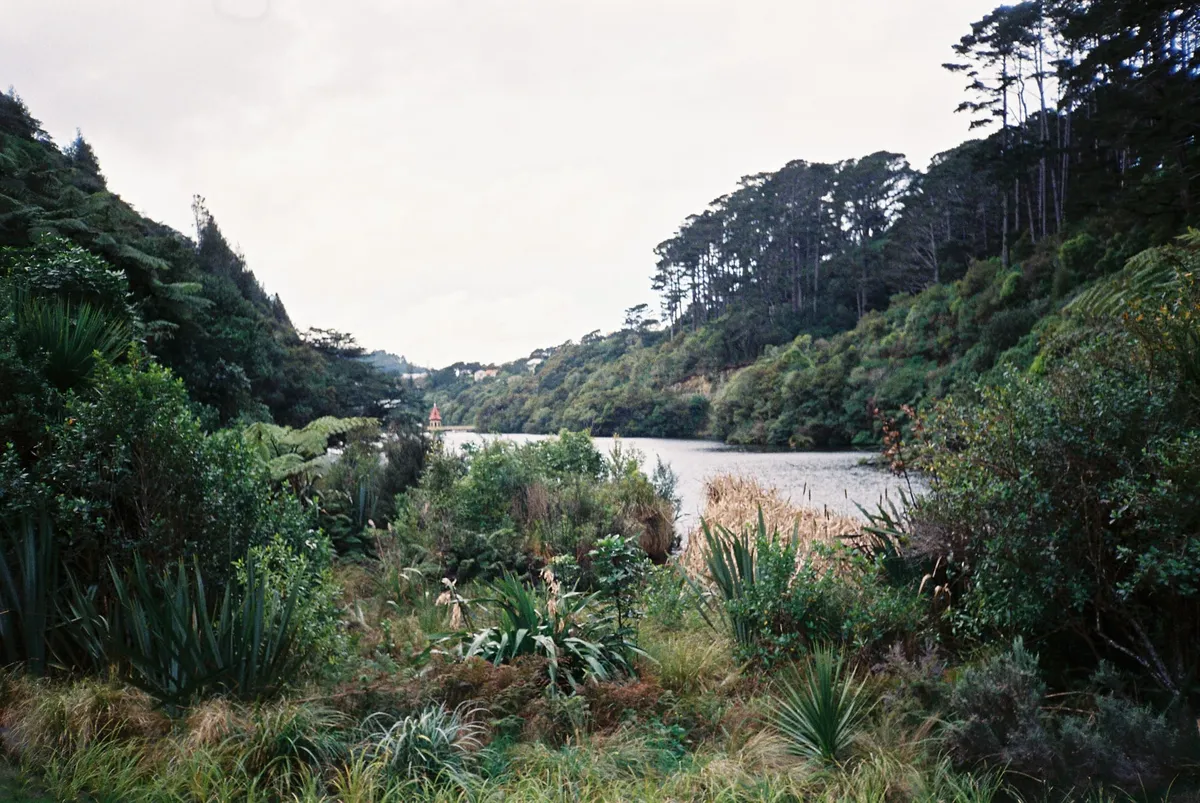
When my partner and I recently walked the boggy shores of Zealandia, we were acutely attuned to the birds and bugs that thrived around the watery soil. It's hard not to feel like you're in a crowded community of life far beyond just human beings.
I am so grateful that we have spots in Wellington bustling with life, but it begs the question: why aren't bitterns welcome on Courtenay Place or Manners Mall? Why can't we have streets just as fit for pekapeka bats as pedestrians?
Cities can take many shapes. I love mine high density, people focused, and wild. Where streets are alive with apartment dwellers and all sorts of native species.
As the climate becomes more disruptive, tight-knit urban areas need nature nearby. Not only are they rich in habitat, they're powerful protectors of the community.
Why wetlands matter
Wetlands are soggy, peaty bogs of soil and plant life that occur across Aotearoa and the world. To me, a wetland is a catch-all phrase for the bayou and swamps of Florida, peatlands of Waikato or the human-restored wetlands of Waitangi Park.
These swampy areas were critical transport connectors for tangata whenua, as well as the homes of all sorts of bugs and birds unique to New Zealand.
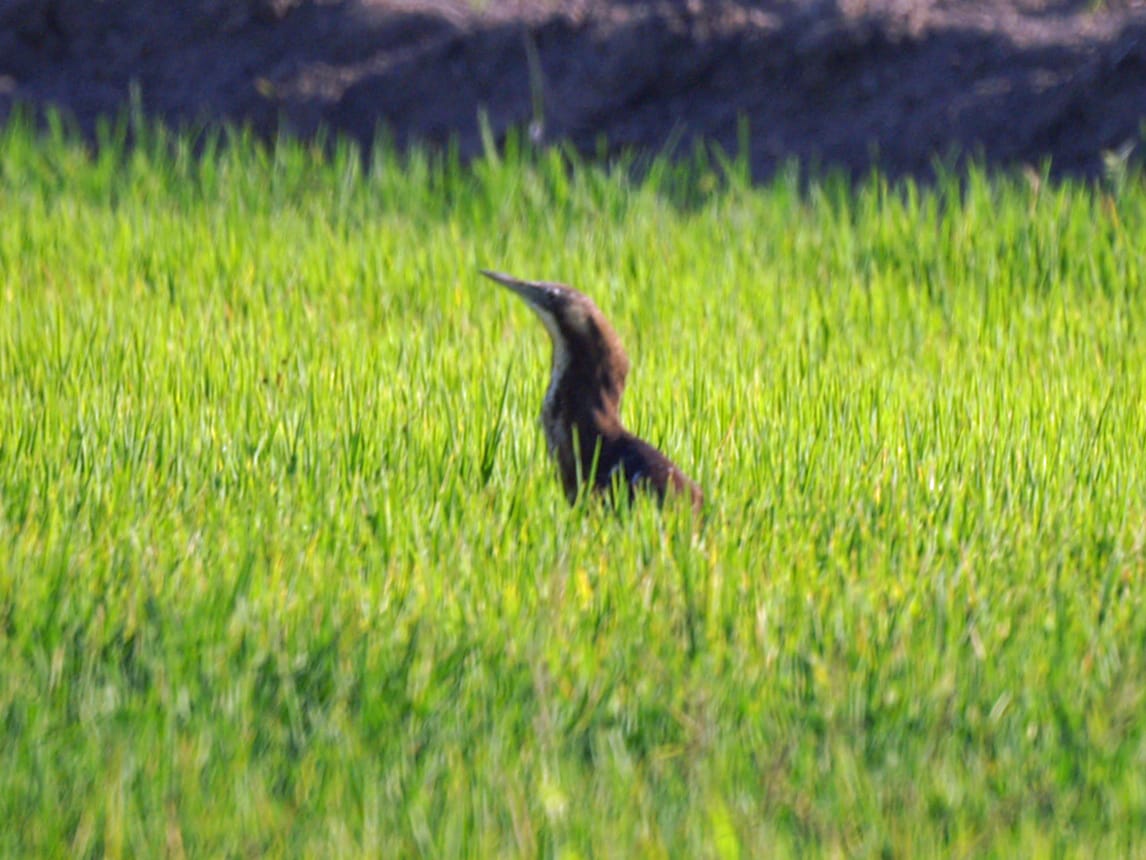
Take the matuku-hūrepo bittern: an absolute freak of a creature with a big boom and a giraffe neck who has taken my heart. They love a wetland and need them to survive.
Our native bats, our insects, our indigenous plant life: they thrive in swampy landscapes. Wetlands are some of the most biodiverse areas in the entire country, and the more we restore, the more our native species have places to thrive.
New Zealand was once covered in wetlands, including the capital city. Even the iconic Basin Reserve was literally a wetland after the earthquake of 1955: it was drained for a cricket pitch.
90% of wetlands are gone now. In Wellington, only 3% of our wetlands are left. These drained parts of our natural world are an open wound, releasing deep carbon into the air.
Watery carbon vaults
Undisturbed wetlands are like a vault for carbon. For thousands of years, wetlands across the country have been containing carbon under the surface of the water.
Water acts like a vault door of our swampy carbon savings. It stops decomposing plants from releasing carbon dioxide into the air as they rot. Instead, they partially decompose and let out methane. Every hectare of wetland vault prevents ~20 tonnes of carbon dioxide entering the air every year.
Drain the water and the carbon begins to leak out. A wetland drained and dried releases carbon that would otherwise be locked away. There are thousands of spots in New Zealand where this is happening.
Protecting wetlands is important for avoiding further damage to our climate. That hit home in 2022, when fires tore through wetlands in Northland and Southland. Those two fires released more than 600,000 tonnes of pollution into the air: around 5% of the country's entire annual pollution budget.
Wetlands can protect us by preventing the leakage of thousands of years of carbon from their watery strongholds. They can only do so when we put the water back on top and close the vault again. Restoring them across farmland and cities is just one way they'll protect us in the future.
Sponges during storms
Our restored wetland along Waitangi Park is playing a small but meaningful part in protecting our people and place from climate disruption. That’s because swamps store more than carbon: they're also great at stemming floodwaters.
Typical surfaces in cities are pretty bad for absorbing torrential rain. Concrete and brick won’t suck up water. They instead redirect it into pipes that were designed for a far less chaotic climate.
Rainfall already hits harder than it used to, and it will hit harder in the future if we don't turn the pollution tap off. When there are extremes, impermeable streets become slip and slides, adding energy to the surge and flooding populated areas.
Compare that to a wetland, where the swamp's soil and water act like giant sponges. Copenhagen has become a model city in this regard: they've created an intricate network of wetlands that interact with their stormwater system to ease the pressure of climate disruption like once in a century torrential rain.
Wetlands buffer the stormwater system from deluges, making it a lot easier to protect people from the horrific damage that comes from extreme flooding. Other cities are taking notice, including places as close by as Auckland and Christchurch.
A wild, and wonderful, future
Biodiversity. Preventing further pollution. Protecting people from precarious weather. Wetlands are truly remarkable. They do all of this good work while being deeply beautiful.
Restoring the swamps along Kent and Cambridge Terrace or out at Waitangi Park could provide the central city dwellers of now and tomorrow a connection to nature that we're too often isolated from.
A wilder Wellington would offer native flora and fauna the habitat they deserve alongside the planet-friendly apartments of 21st century Wellington.
Wetlands would insulate our communities from the disruption coming, while improving the feel of the places we need people to live.
Just imagine bitterns booming in reeds near Courtenay Place. Rain soaking into sections of the city storing centuries of carbon. Children hunting for bugs a minute's walk from the library and their apartment.
The cities most bogged down by climate disruption are those who won't work with wetlands. So I say, bring the bog back to Wellington.