
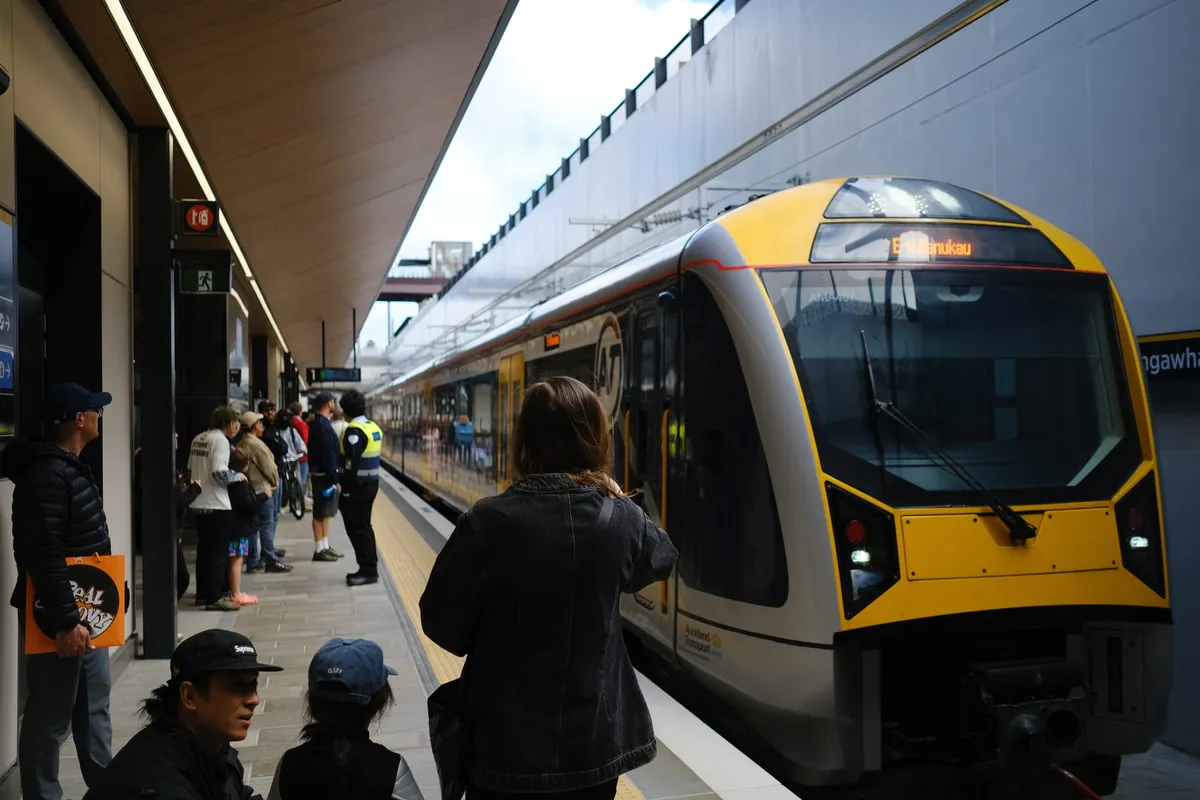
Just over two weeks ago, I rode the City Rail Link as it opened to the public.
It was a momentous occasion. For a decade, these twin tunnels deep beneath central Auckland have been carved and crafted to carry tens of thousands of people per hour on delightful, fully electric trains.
These tunnels have a maximum capacity of 54,000 people per hour. It would take about 20 lanes of motorway to carry the same number of people in cars.
Ever since I first rode it, I’ve struggled to put into words how these two tunnels connecting Tāmaki Makaurau have made me feel.
Hope, excitement, envy, worry. These metro tunnels can take your body to many places, and can take your heart through many feelings, too.
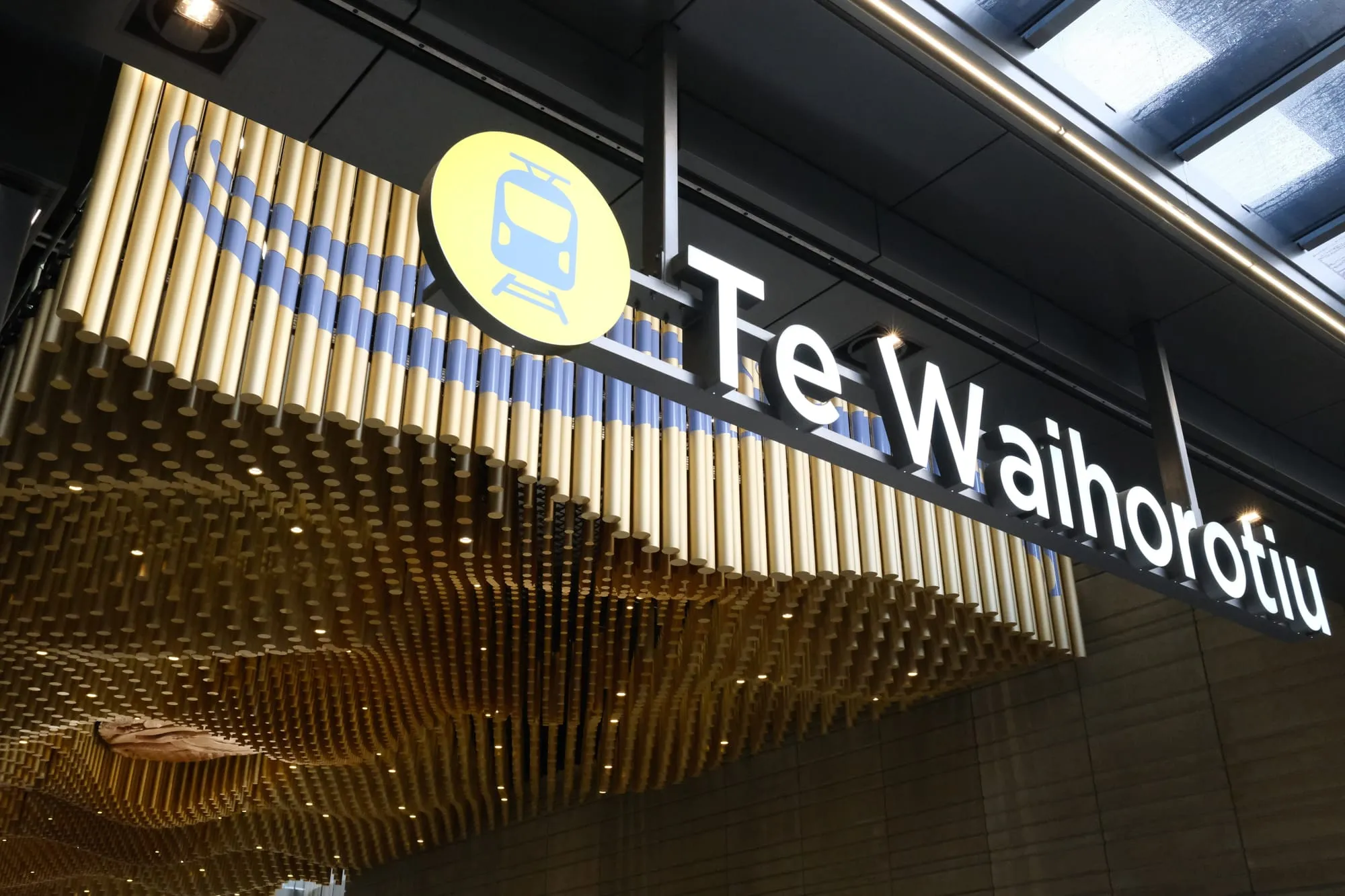
The stations themselves gave me hope. They are gems beaming from the street. The toi Māori adorning the exterior and gracing the ceilings as you descend underground are breathtaking. They will be icons of civic pride with a truly Aotearoa New Zealand feel in the decades to come.
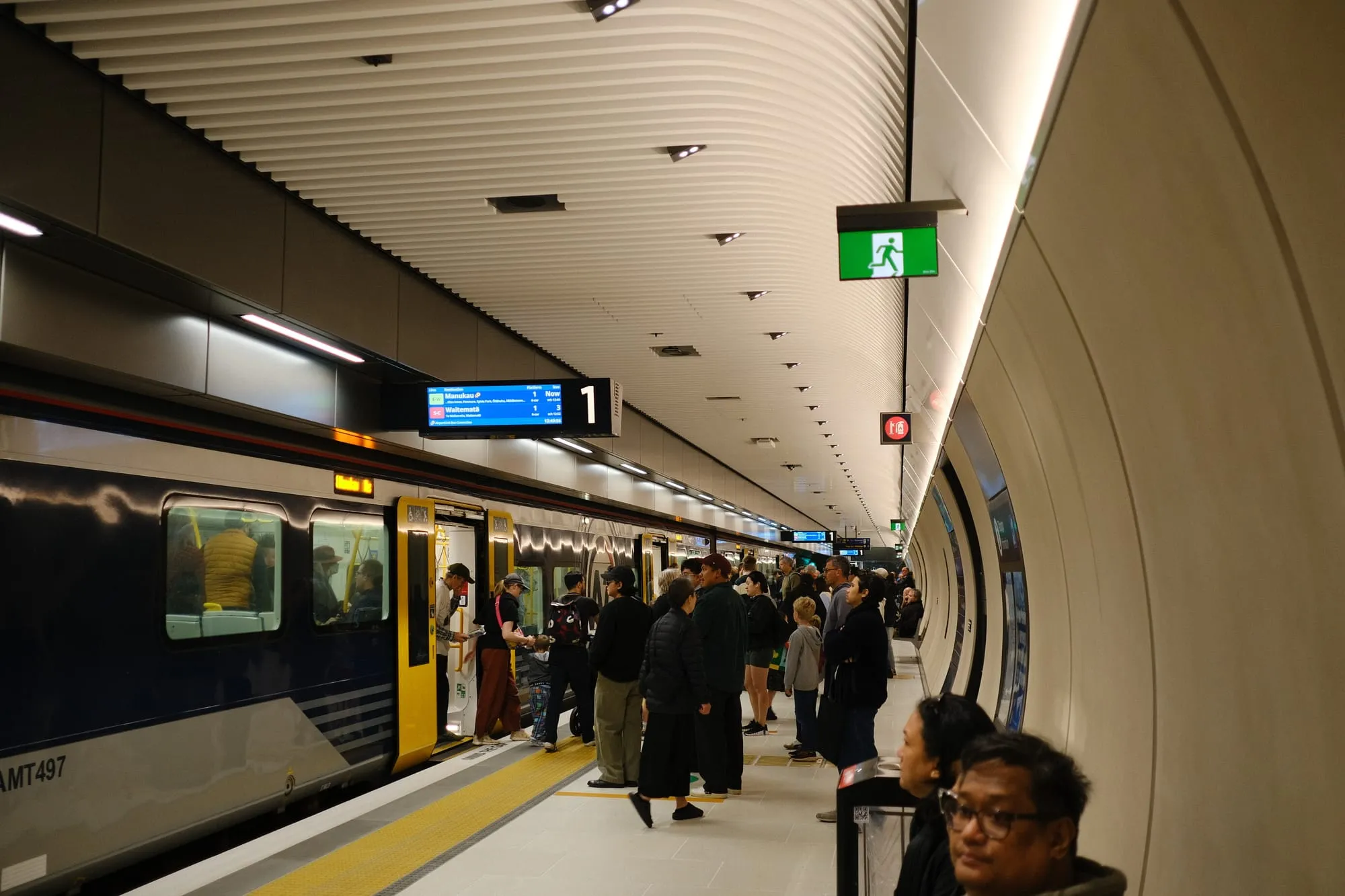
Passing through the tunnels left me feeling excited. Down below, it’s genuinely hard to tell whether you’re in Auckland or London or New York. Our largest city has a metro which would fit in perfectly abroad.
Most exciting of all? How normal it all felt. In the 20th century, train travel was shunted in favour of motorway expansion at nearly every step. The work to restore train travel is slow, gruelling, ongoing. Sometimes, I worry that we're trying to introduce a foreign body to New Zealand's psyche.
Going down the escalators with friends to take a train downtown eliminates that worry. Taking the train is as normal and natural as it gets. It's a reminder that what we currently have should not limit our thinking about what could be.
I felt curious, especially to see what the neighbourhoods around the mighty stations look like in five years. With time and investment, a whole new generation of New Zealanders will find it normal to raise their kids in shared courtyards with a train station nearby. The City Rail Link is a catalyst for turning Auckland into a low-carbon, highly connected city.
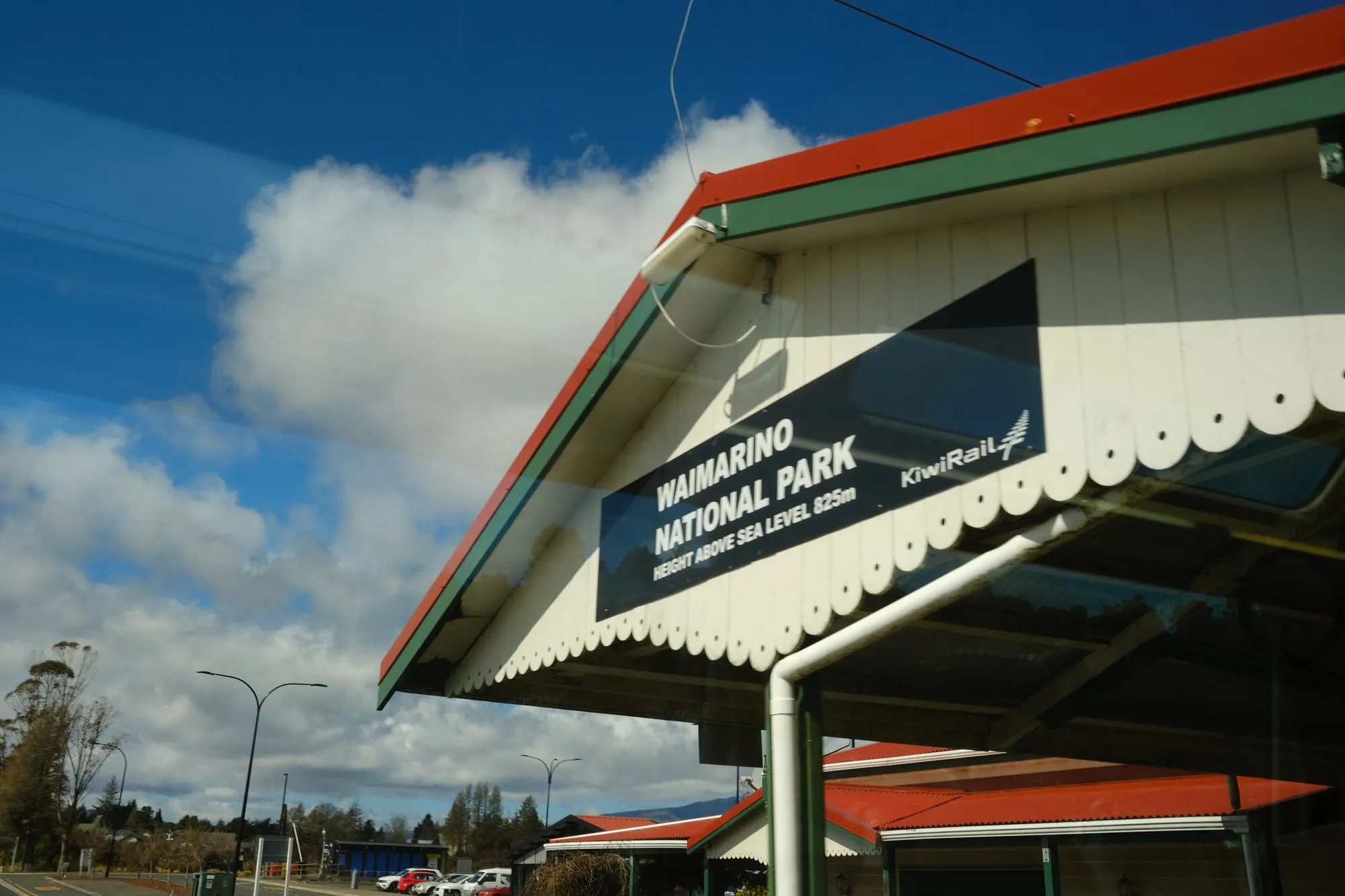
I felt a sense of envy. Returning home on the Northern Explorer, I quickly saw the investment fade. Civic spaces gracing train tracks quickly became tired, neglected. As a region, Wellington can barely secure long-term funding to maintain our broken rail lines, let alone run more trains more often. How on earth will the region drastically cut pollution if we can't even fund basic track repairs?
I'm also left worried. What if this is just a flash in the pan? Something that, because the Coalition cut funding for public transport, is one step forward with no further momentum? Will this change Auckland, and leave the rest of the country waiting decades more?
But, at the same time, I am optimistic. Just two weeks on, the City Rail Link has created the single most popular week for taking the train in Auckland, ever: 528,007 boardings in its first week. Auckland's rail lines have never been this busy, and it's only just beginning.
As more people travel from Auckland across the regions, or from other parts of the country to Tāmaki Makaurau, it might just inspire the question: why can't I take a train there?
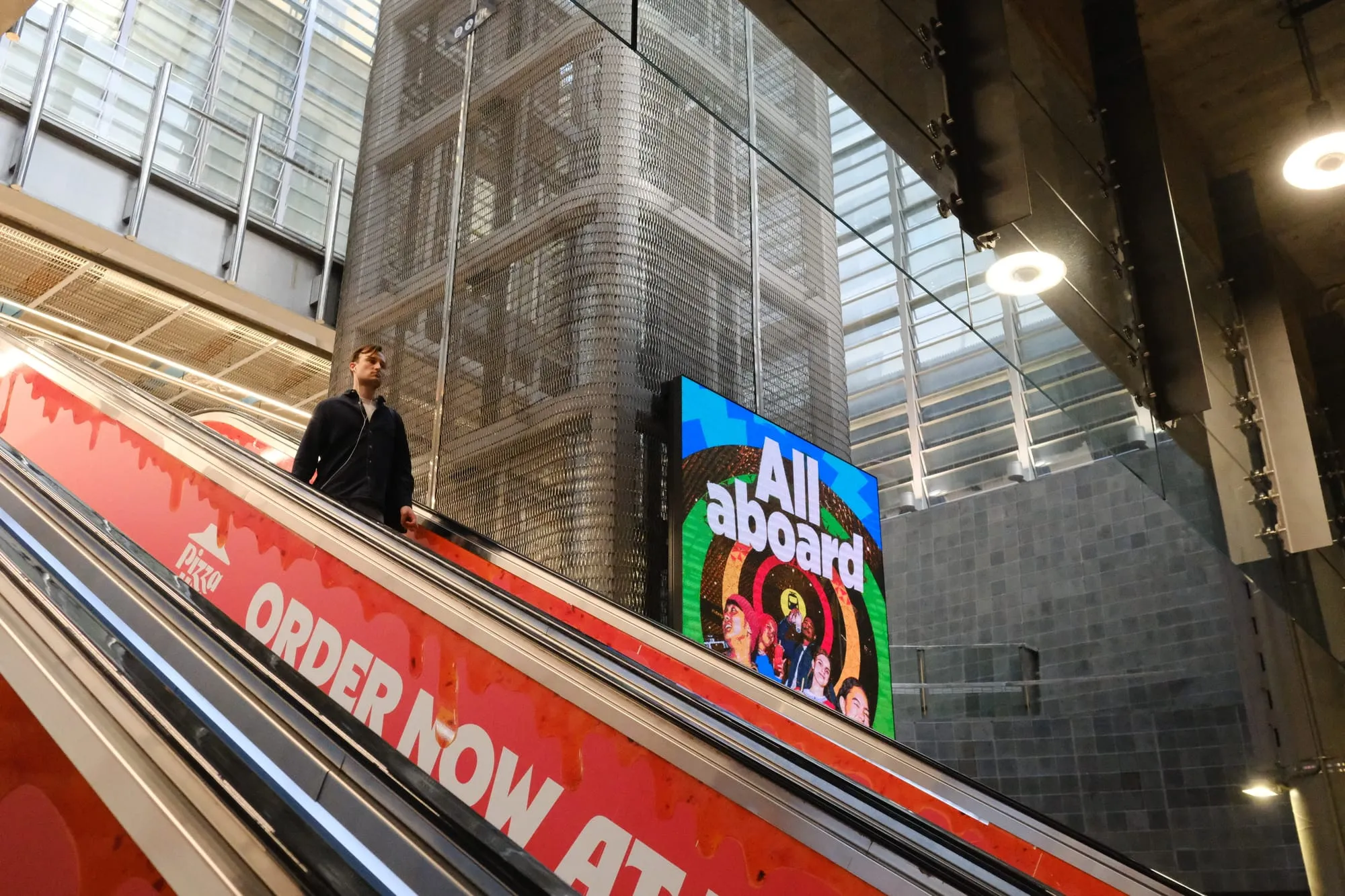
That question is an opportunity for advocates like All Aboard or The Future is Rail. We can provide solutions, and organise communities to make them happen.
Most of all, I'm grateful to those who fought and organised hard to make this possible. Because of door-knocking, politics, route protection, advocacy, and on-the-ground campaigning, countless people made a metro make sense in Aotearoa.
They created a vision awesome enough to deliver. They organised communities to turn calls for change into a chorus. Their work – tireless, uncertain – laid the foundations for transformation.
Better things are possible, not just in Auckland but in Wellington, too. We could fight for trains every six minutes. For light rail connecting the railway station to the hospital. It can be done. But nothing is guaranteed unless you fight for it.
Travelling through two 3.45km tunnels under the heart of Auckland leaves you with many feelings. Hope, excitement, envy, worry.
All those feelings were sparked by far more than the concrete or the tracks beneath my feet. Those reactions were only possible because of the people who dared to make the City Rail Link happen.
Auckland has shown the way. Now, it's our chance.