
I want to teleport you to Aotearoa New Zealand in 2075.
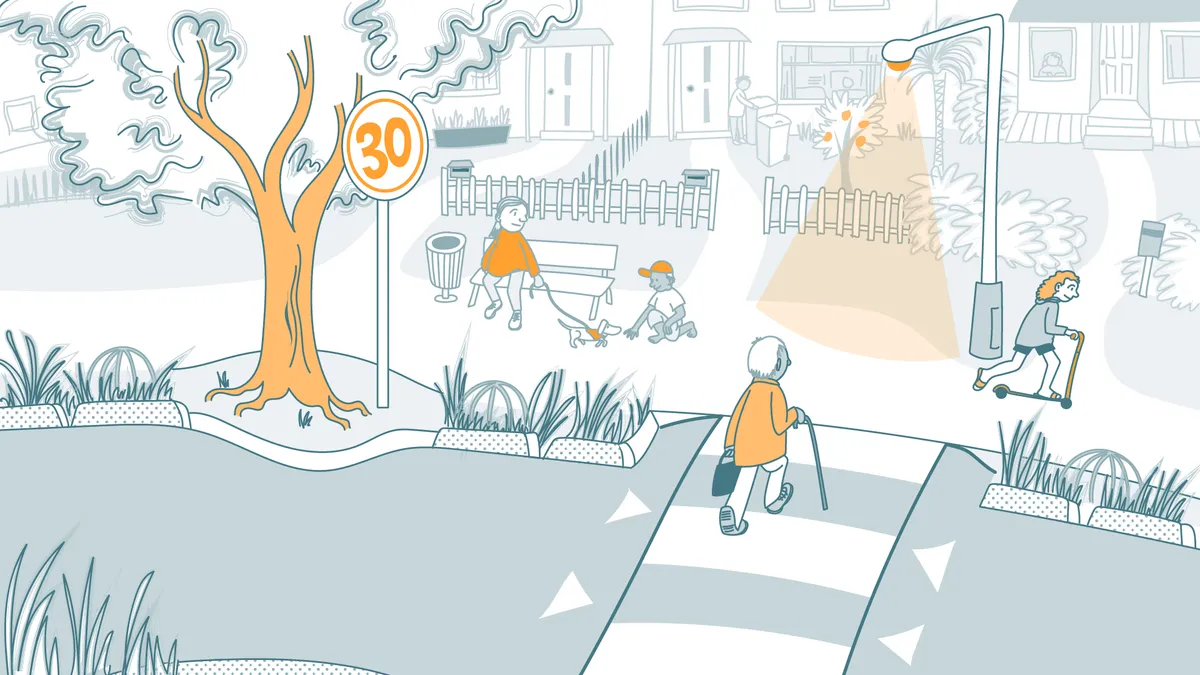
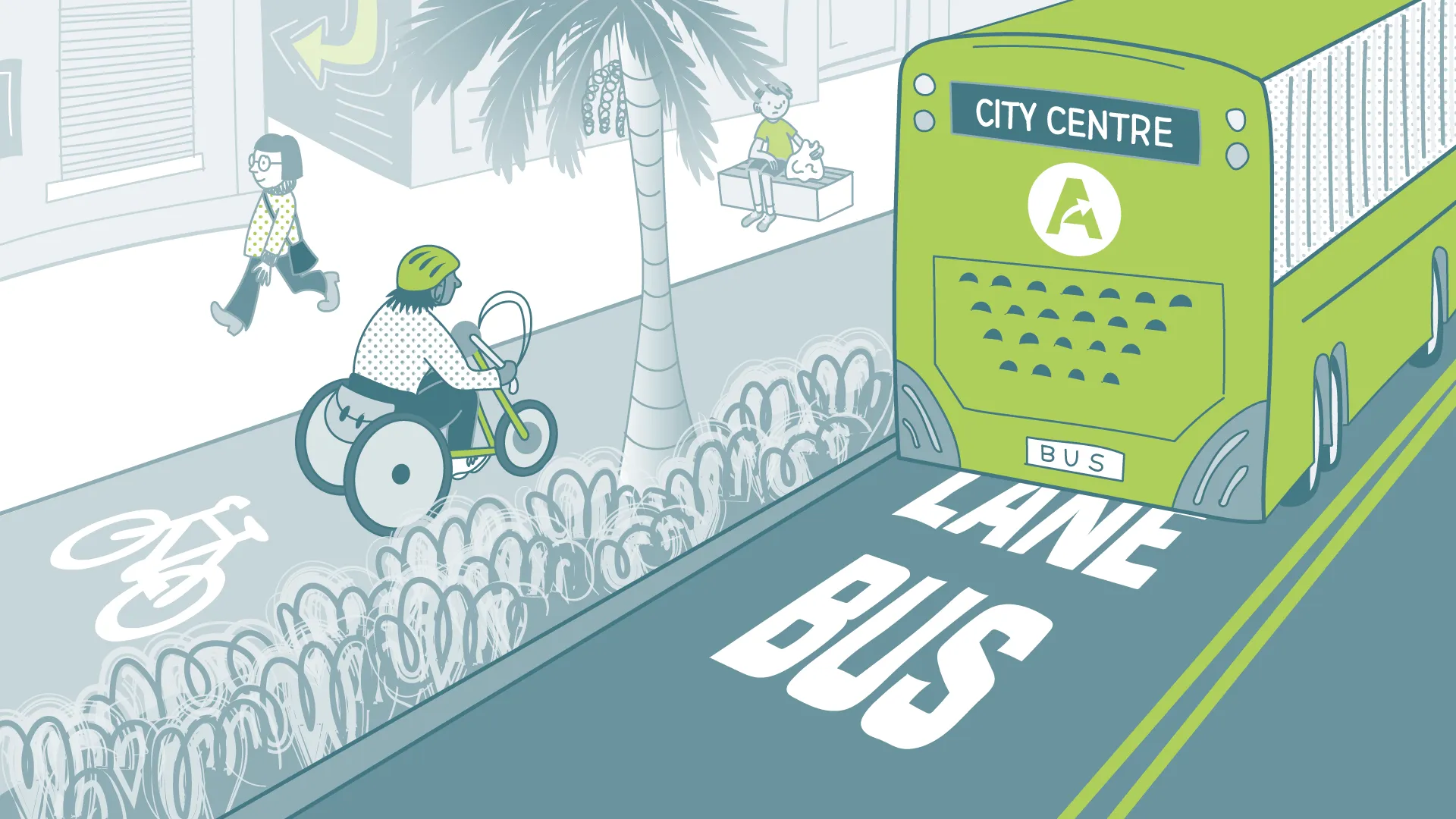
Desolate pavement has been replaced with people everywhere. Children and people in wheelchairs are rolling along bike lanes. The street is quiet, the air is clean, friends gossip outside while they enjoy a morning coffee.
Native trees create green canopies between buildings. Kākā and tūī flit through central Wellington with the same joy as people.
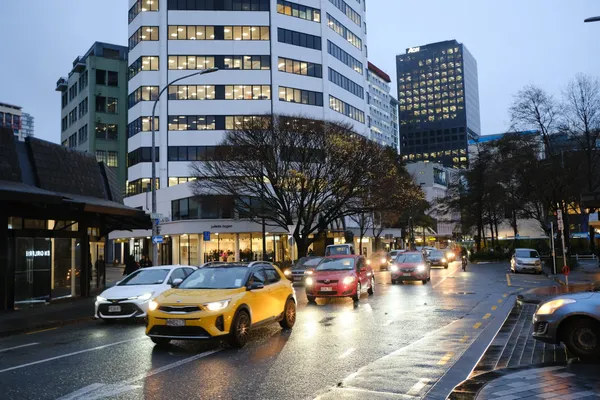
A sleek electric bus moves dozens through the street, and the drivers passing through are moving at a relaxed pace in fully electric vehicles.
Stroll down the street and you’ll find the greengrocer, the doctor's office, the local school within walking distance.
In this imagined future, Aotearoa has blossomed into the best place for anyone to get around. And it didn't take a single mega-project like the second Mt Vic Tunnel to achieve it.
All Aboard Aotearoa believes this future is possible. They're an advocacy organisation working to make New Zealand's transport system pollution-free.
Executive Director Tim Adriaansen’s latest work is a report called Better Moves. It imagines a world where half of our journeys are by bike, bus, foot or train, and the rest are made in fully electric cars.
Decades of decisions have built a country so dependent on fossil-fuelled cars that it has forced an expensive subscription to car ownership onto all of us.
Better Moves would cancel that subscription. By rebalancing how we get around, we can drastically cut pollution and end up $111 billion better off.
A pincer movement for the planet
In Wellington, cars are the city's single largest source of climate pollution. Cars poison our water with tyre debris; they poison our minds with their fumes. They make our streets unsafe for children and pollute our cities with noise.
Electric cars solve some of those problems. EVs are quieter and cheaper to run. They produce far less air pollution. If I ever own a car, buying electric is the best for the planet and my wallet.
However, we only import 200,000 cars a year and our fleet has over five million cars. There are more cars per person in New Zealand than the USA. Replacement alone will take too long. New Zealand’s best bet is to electrify our vehicle fleet, while simultaneously providing great alternatives so people aren’t forced to drive existing petrol cars. Tim describes it as a pincer movement.
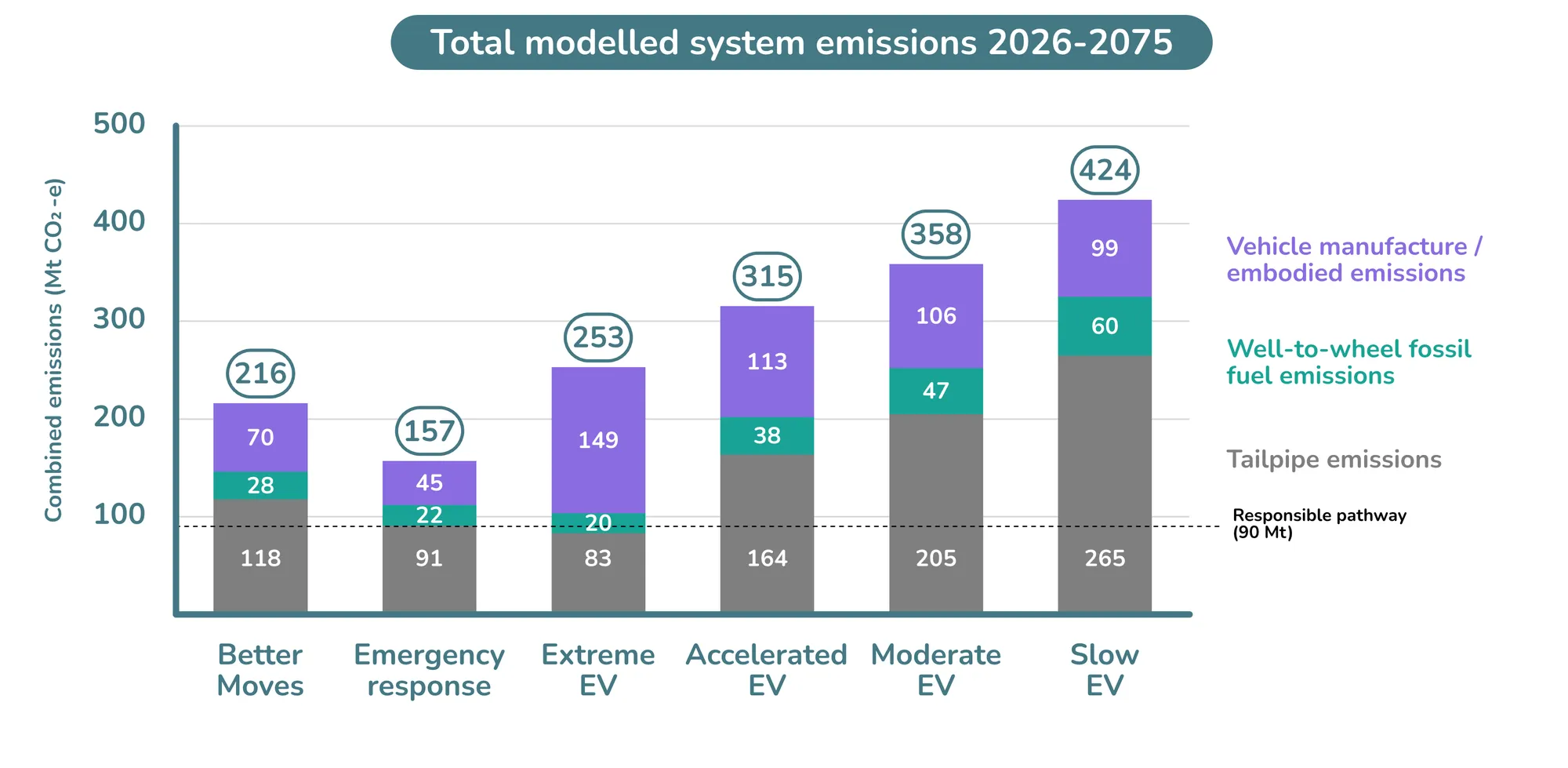
Sticking to the status quo, Aotearoa is set to emit 424 million tonnes of carbon by 2075. Electrifying our car fleet would bring that down to 315 million tonnes. The Better Moves project would bring that down to 216 million tonnes.
Since we’re in a fight to prevent every tonne of pollution we can, we have two hundred million reasons to implement Better Moves.
So… what would it actually look like?
How Better Moves moves us better
Better Moves is all about “access” over “mobility”. Instead of asking how to move people as far as possible, it prioritises giving people the most access to their communities no matter the mode.
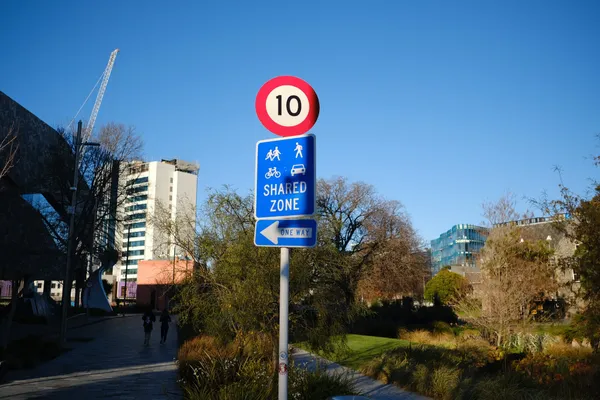
Most improvements come from rebalancing street space. According to Tim, 80–85% of most roads are reserved for driving. By making that closer to 50/50, we can unlock better bus routes, safe bike lanes, quality footpaths, and space for nature to attract wildlife and protect us from storms.
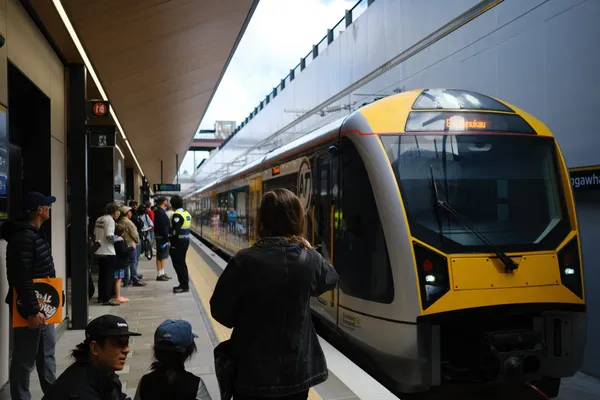
Under Better Moves, buses would run every 10 to 12 minutes from 7am to 7pm, every day. Half-hourly buses would link regional towns along State Highways. Rural trails can connect people by bike to the closest town. Restoring our rail network would mean passenger trains and freight on tracks.
Having lots of good options to move around means we each use our cars less. That makes it easier to share cars between neighbours. A shared car can replace around 3–15 private cars, speeding up the replacement of the fleet.
The benefits are astounding. Seven million fewer vehicles would need to be built and shipped here by 2075. That avoids around 35 million tonnes of manufacturing pollution alone.
But the climate benefits are just half the story.
We could spare more kids' lungs from traffic fumes. Fewer people would risk dementia from being exposed to tyre debris. People without drivers licenses would have as much agency as someone behind a steering wheel.
Astoundingly, reducing driving would avoid ~55,000 serious injuries and save the lives of ~6,800 people by 2075.
That's what made Better Moves compelling. It offers a way to stop feeling the painful consequences of the status quo.
The $111b handbrake
Like a forced subscription, a society so radically built around driving is making New Zealand poorer.
The New Zealand government builds infrastructure that expects even the poorest working parents to own a car, pay for its maintenance, its fuel, its parking, and its insurance.
Some political parties want to solve this unfairness by subsidising more car ownership: to freeze fuel taxes like Labour or fund gold-plated highways like National.
Every dollar spent subsidising this system is a dollar we can't spend on hospitals, pipes, schools, or ending poverty.
Meanwhile, delivering better public transport and street design is far cheaper than sticking with the forced subscription.
If we spent the money to cut car dependence, New Zealanders would be $111 billion richer over the next 25 years. That’s just by avoiding the direct costs of car ownership.
The savings compound when you take into account all the avoided hospital trips from car crashes or having the population exercise more, plus the holistic benefits of older and disabled people staying connected to family on their own terms.
Driving will still make up many trips in this future New Zealand. But each trip behind the wheel will be one we want to take, not one we’re forced to make.
Unlocking true choice saves lives and takes a massive financial handbrake off the economy.
Humanising our world again
These initiatives aren’t stalled because we can’t afford to do them. With $111b of savings on the table, I’d ask whether we can afford to wait.
What holds us back is a shared inability to recognise what could be if we let go of what is.
Deep down, most Kiwis know there's a problem. Seas are surging. Droughts drag on. Our streets are unpleasant and dangerous.
We are being forced to be inhuman: we live in a system which will kill 6,800 people and expect us to be okay with it.
Better Moves is a wero, challenging us to become human again. To move in the way people should.
We are made to meander. People are designed to bump into friends instead of crashing into strangers.
Better Moves can restore humanity to our streets.
That 2075 street, full of people, trees and birds, can be made real. But only if we all call for it and elect those bold enough to humanise our streets instead of drowning us in yet another lane.