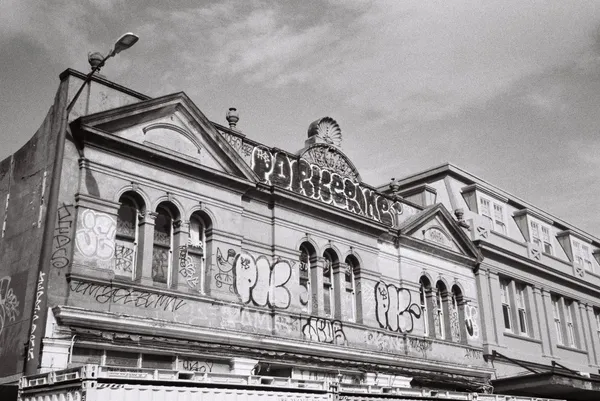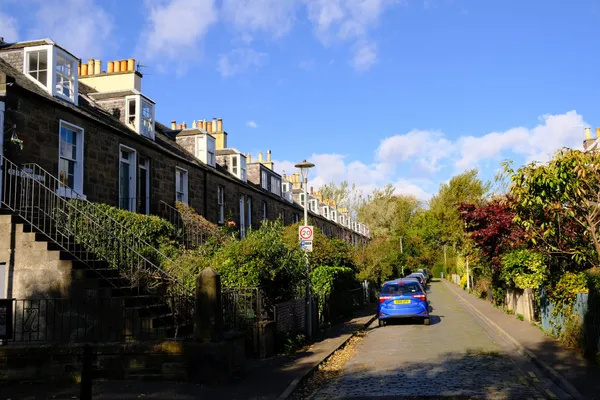



There’s a debate going on in our city. How do we encourage more housing in the centre of Wellington? Wellington City Council has a proposal I’ve explored previously which would help achieve that: a land value rate.
Right now, Council calculates someone’s rates based on capital value. The more valuable your building and its land are, the higher your rates bill will be.
A plot of land on Cuba Street might be worth $2 million because Cuba Street is a fun place to live, work, and play. Right now, if that $2m lot is a surface car park, it would pay less than if it hosted an apartment building. A landlord pays more rates if they add a heat pump or double glazing to their rental.
Setting rates by capital value penalises improving or building where people want to be because then the rates go up.
Land value rates can help get more housing built where people want to live. Under this system, you'd pay the same amount for a plot of land whether it features a mansion or an apartment block. It means you can reduce the cost of rates by building more homes and sharing the bill between more people.
Land value rates are a nerd’s dream tax, somehow supported by the Green Party and the Taxpayers' Union alike. It’s essentially a progressive tax on wealth, and when land is taxed it doesn’t decrease supply.
This is a climate blog, and there's a climate reason I like land value rates. Building more homes in the central city is great for cutting someone’s day to day pollution. When you help more people live in walkable areas, they tend to walk and take public transport everywhere. Friend of the newsletter David Roberts recently discussed this on his excellent climate podcast, Volts.
When our taxes encourage more people to live near jobs and buses, fewer people are forced to drive a fossil-fuelled vehicle for every errand. Central cities are climate champions, and the more housing we build in them, the more people can affordably live an awesome, low carbon life.
Even though the suburb I live in, Te Aro, would contribute more rates overall, most residents will pay less. For example, our family is looking at $700 being taken off our annual rates bill.
The system rewards density: three family townhouses would pay less per family than a villa with a big backyard on the same sized plot.
Those who pay a lot more under this plan are the people land banking undeveloped lots. Under the current system, these properties are penalised with higher rates if they build anything there. Our system encourages property owners to let these lots go to waste.
By taxing land value, land bankers can spread out the cost of rates by developing the land, or selling it to someone who will.
For example, the Reading Cinemas car park belongs to Primeproperty, the company owned by NBR Rich List property developer Eyal Aharoni. That car park has a land value of $9.9 million and would undoubtedly pay more in rates each year under this proposal. Interestingly, Aharoni is one of a collection of property owners supporting an ad campaign to get the Council to ditch this proposal.
Some people are feeling genuinely scared about this. Penthouse Cinema and Valhalla have sparked a lot of online discussion because WCC’s rates calculator shows them facing a huge rates increase. Some of that comes down to Penthouse having a large, undeveloped car park. But the calculator also assumes businesses would pay 5.8x what a household does, because that’s what it would take for businesses to pay the same share of rates they do now. Council hasn’t settled on that number: in fact, they’re exploring cutting the business rate from 3.7x down to 3x.
But when change leaves you scared, it’s hard to dispassionately discuss an issue. People don’t want to see their favourite places closed to support a policy that tickles a nerd’s brain. I totally empathise with that. I’m publishing this so late because I wanted to grapple with the worry about Valhalla before I pitched my opinion.
Thankfully, we don’t need to sacrifice Valhalla to achieve efficient land use. In my view, Common Ground has offered good solutions which would help people transition. They'd like to see the ability for property owners like retirees to defer paying rates until their property is sold. They'd like to see the system phased in over a few years to avoid shock for households and businesses. There are ways Council can support the community through a transition.
This has been a fraught conversation, made worse in my view by lobbying, confusing information, and uncertainty. Even so, I can see some great reasons to switch to land value. It would more fairly share the costs of running our city, discourage land banking, and align the incentives for land owners to start building more homes for new Wellingtonians to move into.
If you want fewer empty lots and more affordable housing choice in our low-carbon central city where people want to live, I'd recommend submitting. With a phased approach and a better balance between household and business rates, we can have a better city with the businesses we love most.
Submissions close on Sunday 15 November. Common Ground has a good submission guide available. Make sure you have your say.