

Did you know one in four adults don’t have their full drivers licence?
In a country with one of the highest car ownership rates in the world, a quarter of adults in Aotearoa New Zealand are not fully qualified to use them.
It can be hard to imagine who sits behind those figures, but we know many of the people left behind by our current system. Our disabled whānau, nearly 60% of Pasifika New Zealanders. My granny just joined the missing million: after decades of driving it’s no longer safe for her to do so.
And that’s not including the hundreds of thousands of children who we don’t want driving.
In our cities, it’s a bit easier to get around without a licence. But try to leave one area to another, and your options thin out fast. You’re faced with a drive, maybe a flight (if you’re going to a big city), or an infrequent, inaccessible, or non-existent bus ride.
But… Aotearoa is full of towns and cities criss-crossed with rail lines. Trains are about as universally beloved as breathing. It is an incredibly low-carbon way to get around, especially if you don’t have an electric car. Crucially, trains are terrific for the young and the old.
Shouldn’t it be possible to travel anywhere from Whanganui to Whangārei on tracks we built?
Yes, it should. And there are Kiwi who are trying to make it happen. The Future Is Rail’s experts in transport have poured time and sweat into a Quick Start Guide to help the Government restore our trains to former glory.
Today, let’s explore what’s stopping our trains from arriving at a station near you, the wider political context, and what we can do to transport the missing million.
The technical barriers to taking the train
Right now, unless you're a wealthy tourist or an office worker in Auckland or Wellington, there are very few opportunities for you to travel by train in this country.
It doesn’t have to be this way. The rail is already there, and they’re begging for traffic.
There are two big choices that politicians have made which get in the way of everyone having true choice for their inter-regional trips.
First, politicians set different priorities for roads and rail. State highways are paid for out of the National Land Transport Fund, and nobody expects them to turn a profit or provide a surplus. KiwiRail is a state-owned enterprise, so it must operate commercially. The two modes have very different measures of success.
Second, there is nobody responsible for delivering inter-regional train travel. If Wellington and New Plymouth want to be connected, regional councils need to negotiate with five million government agencies to make it happen. Every cook in the kitchen is budget starved, too, which stacks the deck against taking a risk on a new service.
The status quo has delivered poorly for people. In a country that once had thriving passenger rail, we’re left with a shadow of our former system.
The status quo is not delivering what New Zealanders need. It must be fixed.
Thankfully, it can be.
The fix
If the next Government wants to improve rail in the next three years, The Future Is Rail has the solutions ready.
First, KiwiRail shouldn't be driven by commercial returns, but community wellbeing. Their goal, first and foremost, should be connecting as many people and goods by train as possible.
Second, New Zealand needs an agency solely judged on great public transport. Instead of having public transport decided by the highway agency, make a new agency funded to provide awesome public transport options within and between regions. Politicians as recently as 2023 agreed with this point.
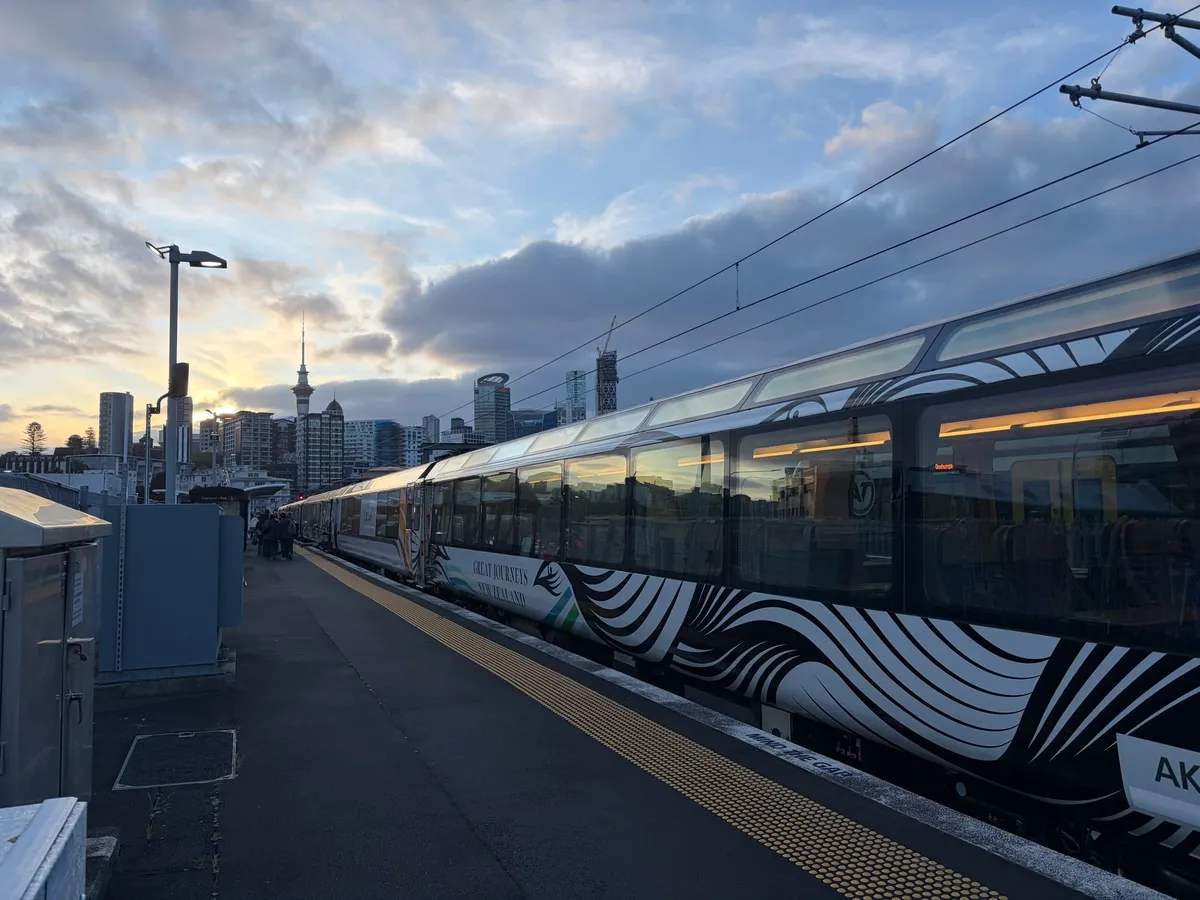
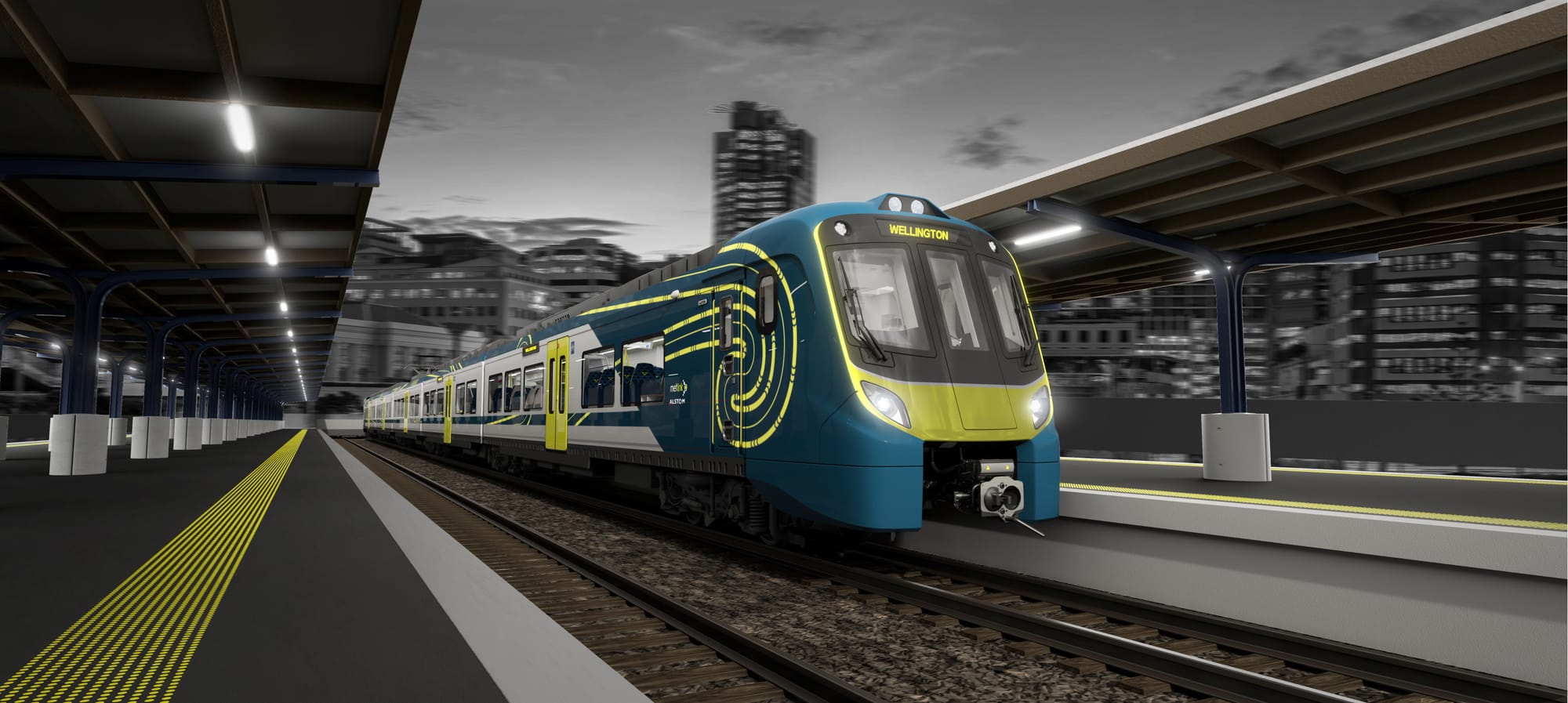
Third, run more trains. Auckland to Tauranga for example, or Christchurch to Invercargill. By ordering extra Tūhono trains, we could deliver beautiful electric train connections without big investment in power lines above the tracks. There are heaps of opportunities to increase services like night trains between Wellington and Auckland and more frequent Wairarapa or Hamilton services.
Fourth, protect rail corridors. This is perhaps the most consequential choice a future government can make. Rail needs continuous strips of land. Sell off just one strip and an entire future route can be compromised. Protect the corridors, and the next generation gets more options for improving and expanding access.
Last, get price competitive. Just this week, I got a flight to Auckland for $50 through Air New Zealand. Meanwhile, KiwiRail charges at least $250 to get to Auckland. This is intentional: KiwiRail’s Auckland to Wellington trains are luxury tourist goods. For train travel to be competitive, New Zealanders need to be able to afford it. Price competitively, reward return travellers, and watch the railways fill up.
The system improvements are clear. However, that’s only one part of the story.

Caught by traffic
We've known exactly how to fix the rail network for ages. The technical side is not the biggest problem. The political side is.
Our politics barely touches public transport because I’d argue that the car industry has hijacked our understanding of the big issues for decades.
We are surrounded by automotive narratives wherever we look. Car companies sponsor our news. Vehicles fill every street. The automotive industry has lobby groups obsessed with valorising gold-plated highways.
This informs what citizens and politicians consider normal. It primes how normal and natural motorway projects feel compared to railways.
Check the policies of most political parties, and you’ll find nearly nothing on expanding public transport. The Greens are the only party which has any policy promising to improve train services. Labour will make local public transport cheaper, but hasn’t yet revealed policy to expand services in our cities and across regions.
But, that can change. I bet that it will in my lifetime, because…
Fewer young New Zealanders will need to get their licences. More Kiwi live in cities where public transport works best. Best of all, the City Rail Link is opening in mere weeks. When it does, a new generation of families will build their lives around their rail station instead of a station wagon.
We’re also getting older and increasingly unable to drive. In a driving-heavy system, every person who can’t drive needs a chauffeur. That’s not sustainable or dignifying. The more we strengthen public transport now, the easier it will be for people to stay connected with a train as they age.
There are tourism benefits, too. It’s wild that our country’s guests don’t have good access to train travel. Tourists want to relax, but politicians through their transport choices force tourists to learn our road rules instead. A savvy tourism strategy would remove that inconvenience.
Lastly, China and the rest of Asia are using their manufacturing expertise to innovate in train tech. Loads of modern second-hand tech is available from Japan for cheap. New Zealand can leapfrog into a modern train system without doing the work to innovate ourselves.
Smart politicians could get big wins by quickly modernising Aotearoa for an older, more urban, climate-concerned population. To pressure politicians into action, we can organise and tell their stories.
Those stories are abundant, from the mum who wants to be present while travelling with kids, the retiree who wants to stay connected without driving, or the city-dwellers who want to travel at Christmas by train (…me).
Most of us want true choice, not enshittified alternatives. Achieving that will take effort. It will take time. There are no shortcuts in organising power.
A train trip to Whanganui or Whangārei is absolutely possible. The lines exist. The services were running in living memory.
We need technical fixes to restore the rail network, but more importantly, we need to organise New Zealanders into electing the politicians to do it.
All aboard the rail revitalisation express!