

The Question
Tiaki Wai is taking over our city's water assets, meaning the Council will have nothing to do with it any more.
3.3% of Wellington City Council's emissions come from wastewater – and crucially they're scope 1 emissions. Direct emissions. That means that the wastewater pollution counts to the Council's climate goals by 2030.
Since the Council is moving its water assets to Tiaki Wai, I was curious how that would affect our climate targets.
The LGOIMA response
When Tiaki Wai take ownership of the three water assets, emissions from the waste water treatment plants will no longer be a part of Council’s Scope 1 emissions as we will no longer be the owner of those assets.
In accordance with the Greenhouse Gas Protocol, our base year emissions will be restated to reflect the change in ownership.
The emissions from Tiaki Wai will be recorded in Scope 3 Category 15: Investments, in proportion to our ownership percentage. This is the same as how emissions from our ownership stake in Wellington Airport are reported.
Why this is interesting
Embarrassingly, I overestimated the amount that wastewater affected Wellington's climate targets with this one. Whether it is counted or not won't mean WCC can do nothing and still achieve climate targets. A win.
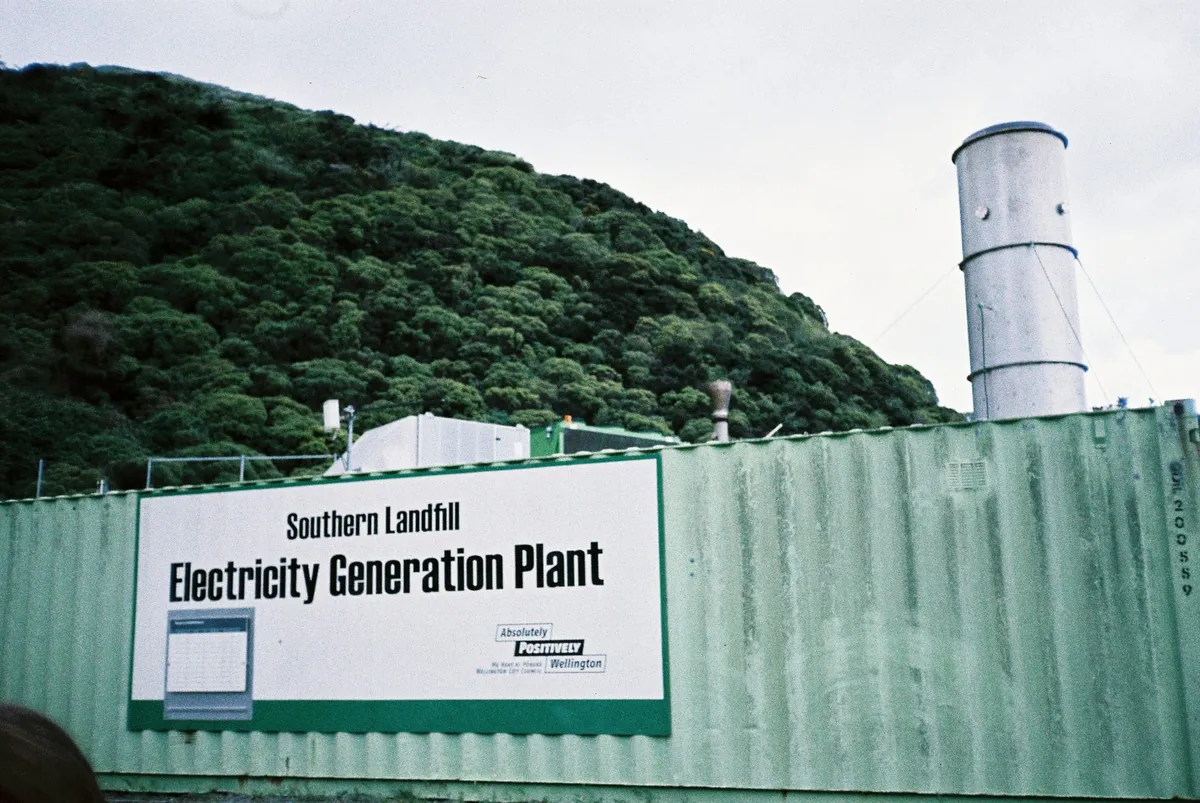
But fascinatingly, it means that when the Sludge Minimisation Facility moves to Tiaki Wai, the Council's only real emissions reduction lever is the landfill.
The SMF will save on landfill emissions, of course. Potentially 2,000 or 5,000 tonnes, depending on whether you believe the builder or Government.
But WCC has to cut approximately 18,000 tonnes from landfill in the next four years.
So, it's funny as fuck that the Council has opted to pause its compost bin collection scheme. Once Tiaki Wai takes over the sludge plant, that compost bin was one of the only real interventions WCC had left.