Your political guide to restoring Wellington’s trams

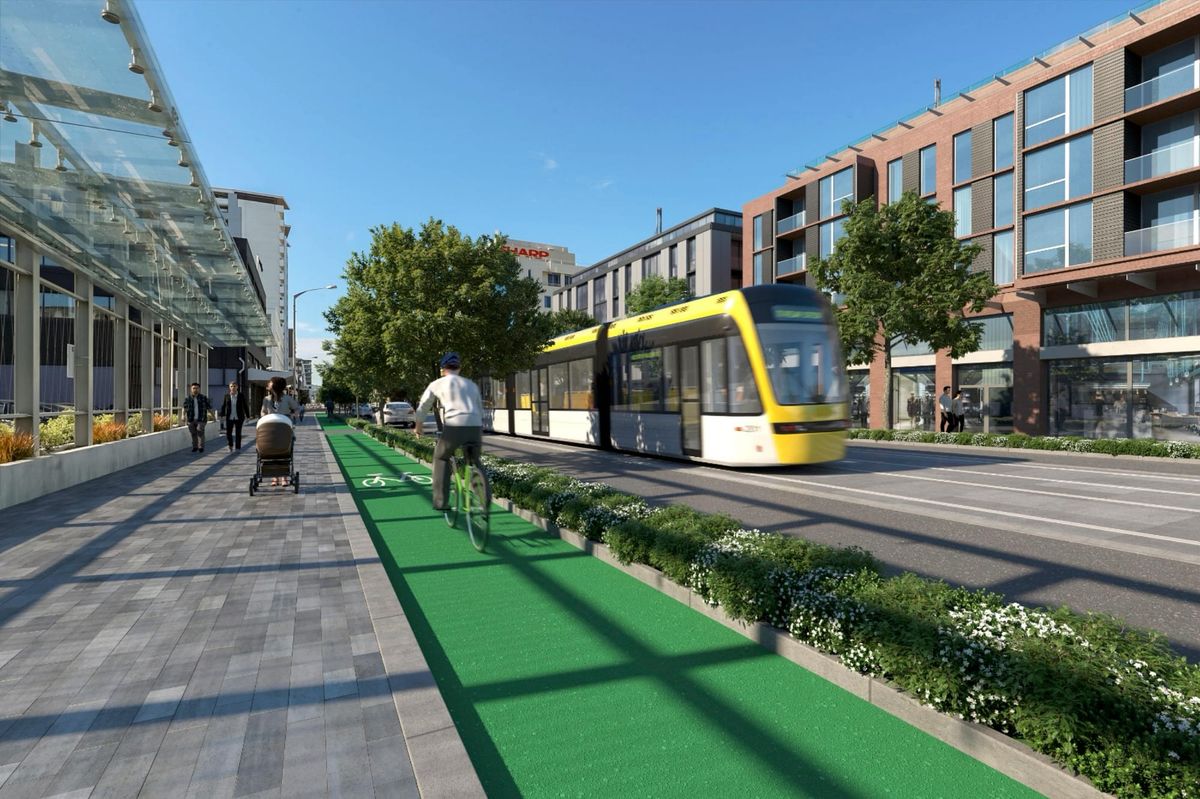
As recently as 2022, over half of Wellingtonians wanted trams to return to our streets. For decades, the people of Wellington have supported better transport choice. A revitalised Golden Mile. Improving rail. Bringing back the trams. Citizens across the capital want a place that’s tight-knit, affordable, and fit for fighting climate change.
Popular demand isn't what's holding this city back. Systems, politics, and a lack of vision are holding us back from our potential.
In my last two newsletters, I’ve discussed the history of trams and what Wellington could be with a revitalised tram system.
Today, we’re exploring the game plan necessary to meaningfully improve public transport in Wellington. We will learn through the cautionary tale of Let’s Get Wellington Moving, as well as success stories in New York and Auckland.
I fundamentally believe that to have a dignified, low carbon society, we must change things for the better. We should not and cannot keep the system working the same and expect to see lower house prices, less pollution, better community, and more fulfilling lives.
Wellingtonians want some fucking trams. So, here’s how leaders can make trams happen.
Have a real, understandable vision
Shaping transport is as much about experience and values as it is about engineering. When you’re reshaping a city with rail or roads, you’re choosing what you want your city to feel like.
Too often, politicians only see transport through drive time calculations, business cases, engineering reports. In reality, transport choices are a values judgement. If you don't bring values to transport conversations, you will embed the car-focused status quo.
That’s why it’s so important to have a real, understandable vision as your north star. It can be as simple as bringing the trams back. When you have a vision for the future state, it’s far easier to cut the noise and get on with delivery.
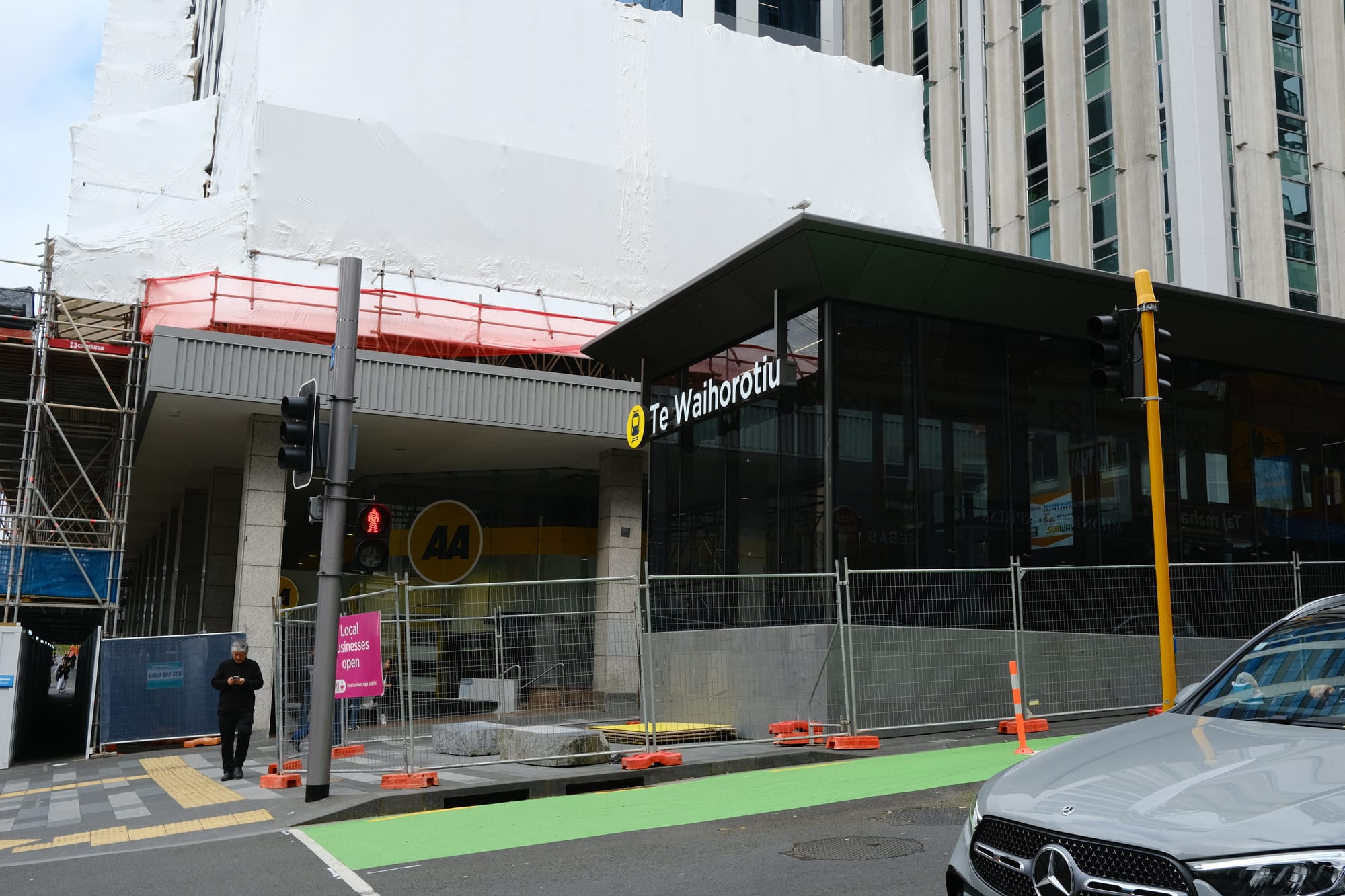
Len Brown in Auckland knew this well. Connor Sharp from Greater Auckland explained to me that Mayor Brown had a clear vision for Auckland: to rebuild it around a world-class metro system.
“Without Len Brown, City Rail Link wouldn't have happened. He doggedly stuck to the need for the project, and also understood what it was trying to do. You compare that to Auckland Light Rail, where you never actually had a political champion pick it up, and who had a clear understanding of what the project was.”
Advocating for an idea you believe in means you take risks, you cop the heat, and you are strategic about making your idea real. A vision helps those without foresight to know where they’re headed, rather than falling into a doom loop of second guessing.
Have one organisation responsible and accountable
How many organisations do you think have some responsibility in shaping Wellington’s transport?
There are at least five. The Regional Council runs Metlink, but depends on KiwiRail to fix the tracks and City Councils to fix the roads. All three depend on NZTA who hold the money bags and Ministers who can drastically change priorities every three years.
This fragmentation comes with costs. For example, the Regional Council wants more people to get on the bus. That gets harder when Wellington City Councillors cut its bus lane funding to the bone, and delays Golden Mile improvements yet again. Whenever some councillors get cold feet, regional projects are put at risk.
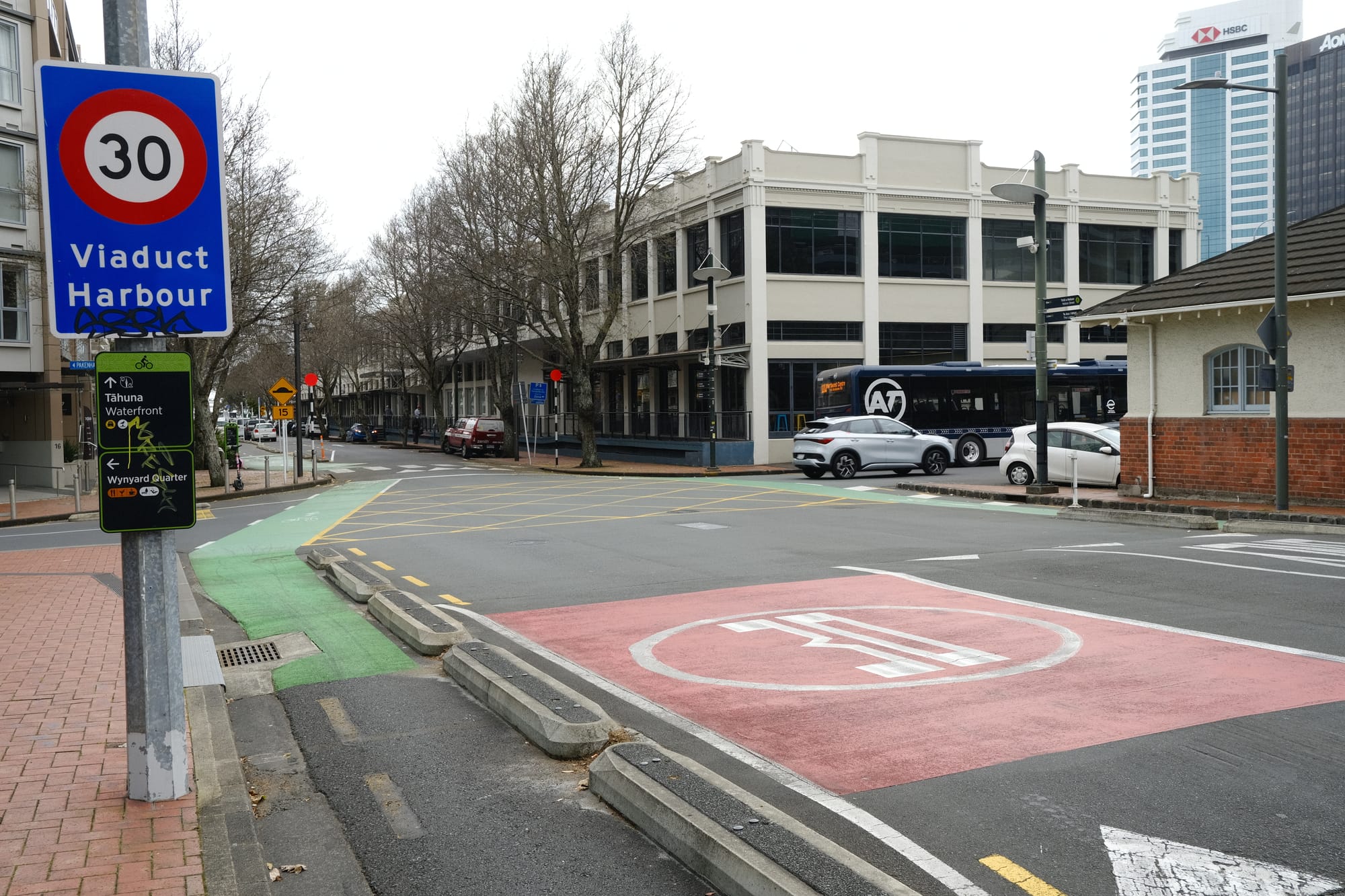
In Auckland, they have far less of this fragmentation. Until recently, Auckland Transport (AT) was responsible for nearly everything transport: local roads, bus lanes, bike paths, trains, basically everything that isn’t a highway or an airport.
The original AT system has serious benefits: it’s far easier to install a bus path when AT can coordinate its choices about roads with its choices about bus routes. You don't have small councils competing with large councils for the same small pool of road contractors, either.
It has serious limits, too. Lots of AT funding depends on the whims of NZTA, who (at the behest of Minister Simeon Brown) slashed funding for anything that didn't look like a road. Our whole system would probably work better if central government funding wasn't so volatile.
Bigger organisations also come with risk. The larger the organisation, the more important good culture and delivery focused leadership becomes. Inertia and mediocrity are infectious and hard to kill.
But, done well, we could have Wellington Transport: an organisation with the power to improve every part of our streets.
It would be driven by local democratic priorities, which favour better public transport and action on climate change. It would be free to make region-wide public transport decisions, like integrating tram-trains or comprehensive time-of-use charging.
With the right leadership, it could deliver a coherent strategy for getting around the region.
Consult by doing
Jeanette Sadik-Khan wanted to make a difference in New Yorkers’ lives. She had two ways to do so: sanitation or transportation. I’m very glad she chose the latter.
In her book Street Fight, Sadik-Khan transformed New York streets to prioritise people, improve public space, and cut traffic. She did so with serious savvy. She “learned firsthand that there is no end to the reasons for inaction. But every inaction is inexcusable.” So, she consulted, then delivered.
Our leaders could learn a thing or two from Sadik-Khan.
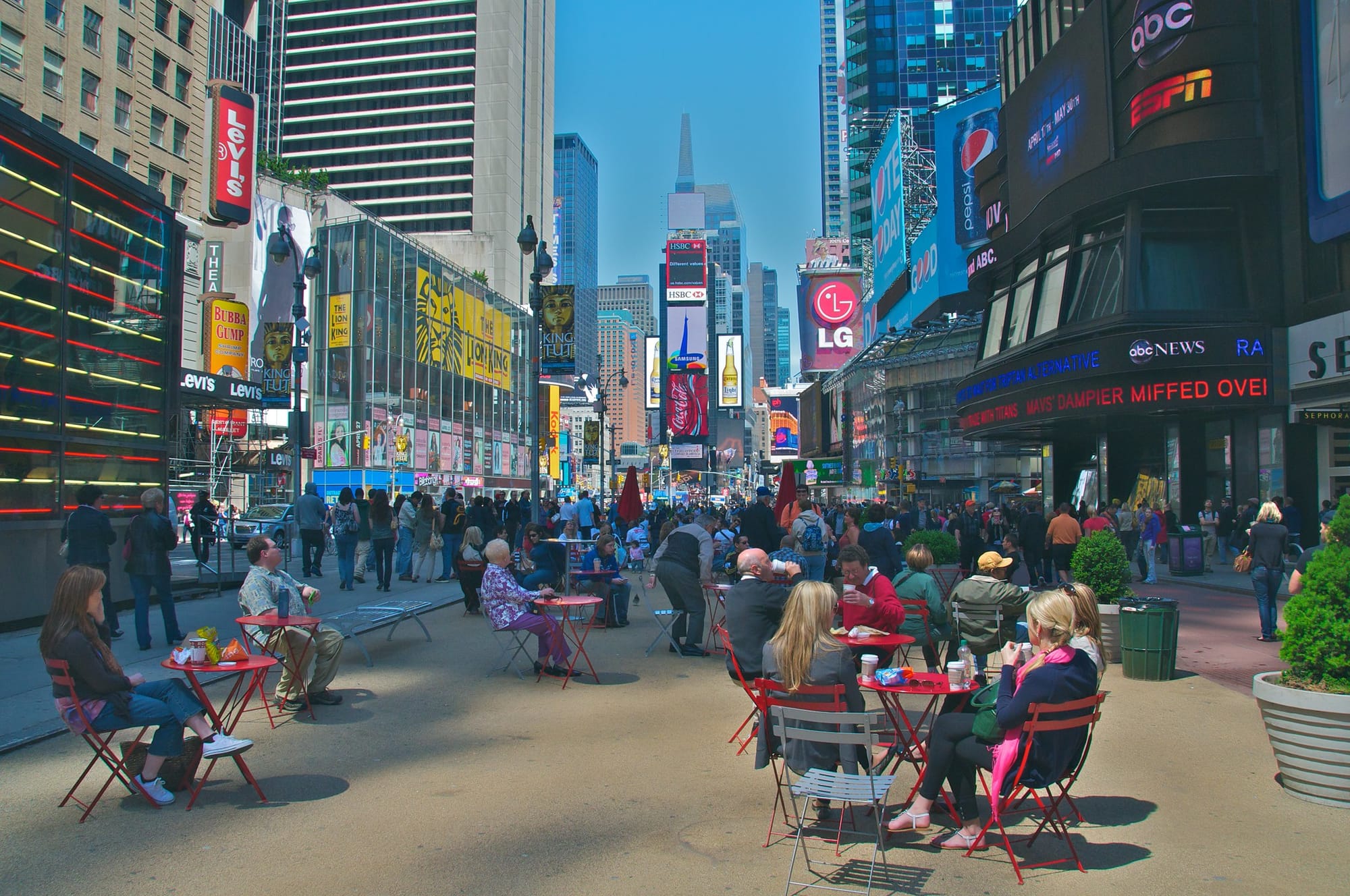
Case in point was her transformation of Times Square from car clogged chaos to a people focused public space. They didn’t spend years on detailed plans or consultation before showing results. They painted the street, put out chairs, and showed people it could work. Within months, traffic had improved. Times Square didn’t die, it was revitalised.
Food for thought for those in power: what do endless consultations or reviews on building tram lines or revitalising the Golden Mile actually achieve? Wellingtonians have consistently, clearly prioritised public transport for a long time. Sadik-Khan sums it up perfectly:
"I have no doubt that had we continued with more outreach we would have gotten nowhere, and the street would still be as deadly as it was a decade ago. The project itself was the proof that we needed."
Consultation has its place. The bike lanes are a great example of modern consultation, rather than repeatedly asking questions hoping for some sort of kumbaya moment. Bike lanes were rolled out with cheap materials and were adaptable based on feedback. As the feedback came in, sections changed. People get to help make changes in real life. That style of consultation is better than the status quo: listening to a vocal minority claim in national newspapers that they have no voice.
Consult, listen, then do. Iterate in real life, not in a document. Without action, every project is doomed to a death by a thousand cuts.
Design the project to deliver in stages
In 2022, Let's Get Wellington Moving did a huge consultation campaign. Say hello to rapid transit.
Ironically, their plan was anything but rapid. After six years of consultation, scoping, and vision boarding, trams were 20 years away. A business case wasn’t due until 2024. Design wouldn’t be finished until 2027. Construction wasn’t slated to begin until 2028, and…
One single tram line wouldn’t be finished for 8 to 15 years.
The project that promised better transport when I was 19 thought it was appropriate to finally deliver trams when I was 45. I’m still angry about it.
There are too many problems to name for expecting Wellingtonians to support a massive project that delivers no bold results for nearly 30 years. The approach made it dead easy for National to kill the project when they came into power in 2023.
If the Labour Government, the Regional Council, NZTA, and Wellington City Council were serious, they would have staged the project in parts.
We have the model from the Tramways Corporation of the 1900s. Their first line went from the Railway Station to the Basin Reserve. Once it opened, people flocked and support for tramways grew. Expansion was easier because people could picture what the benefits would mean.
We can do the same with 21st Century tramways. It’s possible to turn the Johnsonville line into a tram-train and run it to the Basin. Start there to show the benefits of disruption. Build the FOMO, then expand the network.
The fear of construction is about as threatening as actual construction. Projects that defer, delay, and extend timelines let uncertainty hang like an albatross over the neck of projects for too long. Fear, uncertainty and doubt creep in. Those who want to kill the vision for a tram-fuelled capital use that uncertainty to kill it dead.
Don’t give them the opportunity. Focus on staged delivery.
It is time to demand the trams again
A capital run on steel wheels is a capital I want to fight for and live in.
I want my kids to be able to bike or tram or walk to their friends, independently, without needing to worry about my stresses and schedules. I want the elderly to have independence, community, and dignity even if they can't drive. I want disabled people to have access to our central city without slow commutes or hostile design.
I want people to spend less time in traffic and more time with each other.
Trams can deliver that future: where we replace ugly asphalt with grassy berms and beautiful cobbled streets. Where we add tens of thousands of affordable, central city homes for families who otherwise would need to sprawl a two hour drive out of town.
It won't be easy. There will be people who say it's too expensive, despite supporting $56b of unfunded highway expansion. There will be people who say it just doesn't stack up, despite Wellington being a tight knit capital ready for more residents.
With a clear vision, simpler systems, and a focus on action, rail lines can grace Wellington streets once more.
Trams are my personal symbol for a city willing to bet on itself, to bet on growing its population without costing the earth. They represent a city ready to change so future generations are gifted a blessing, rather than a compounding climate crisis.
We don't want a future Wellington built on yet more sprawling highways.
We want a future built by trams.