Shielding Wellington from rising prices

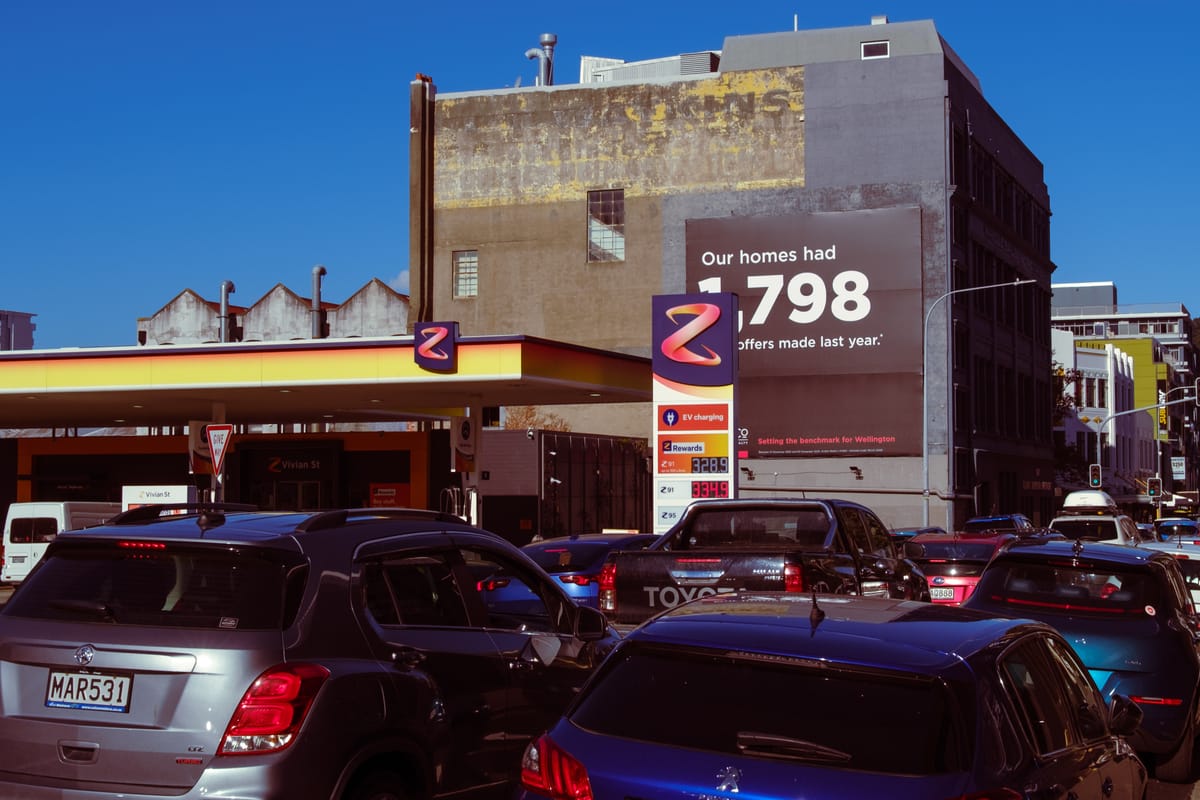
It’s a scary time to be alive.
The United States has started another war in the Middle East. Alongside the awful trauma to regular people’s lives in Iran, Lebanon and the Gulf States, Trump’s war has also kickstarted the largest oil supply shock in history.
20% of the world’s oil passes through the Strait of Hormuz and Iran’s bombing campaign has closed it indefinitely. We don’t know when it will reopen.
That has serious consequences for New Zealand, not just in the cost increases Kiwi are feeling at the petrol pump. I’m particularly worried about the cost of food.
Our entire food system depends on fossil fuels. The cost of delivering food to supermarkets is particularly vulnerable – diesel has skyrocketed in cost and we don’t know when it will return to normal.
Kai will cost more because of expensive diesel. Just like last time we had an oil crisis in 2022, or the time before that. Or the time before that. Huh. Maybe fossil fuels aren’t as reliable as the climate change minister says.
Some argue the answer is digging up our own oil, but let’s be real. We aren’t RuPaul. We don’t have enough oil in our backyard to meet demand.
Even if we did, it wouldn’t matter. Oil prices are set by the highest bidder overseas. It’s just like butter. When the world is willing to pay $10 for butter, local companies don’t subsidise us. We just have to pay what they’d make selling it to Australia or China. Oil costs will be similar, whether it’s drilled in New Zealand or Saudi Arabia.
Practically, the best solution is to run our economy without oil.
Bernard Hickey proposed a “war-styled decarbonisation on our economy” last week. Everything that uses fossil fuels should be switched out for superior electric alternatives. Trucks, buses, trains, cars, bikes, factories, boats. They’ll be powered with cheap solar panels from China. We would plaster them on every roof facing north and store the sun’s energy with batteries in every home. With abundant electricity, we could be energy independent.
The economy must electrify sooner or later to stop polluting the atmosphere. Other countries are doing this, why aren’t we? Electrifying everything would slash household costs for New Zealanders while increasing our resilience against international chaos.
That will take a muscular, active government response like Jacinda Ardern’s in 2020 against COVID-19. I hope our current leaders see the light and start decarbonising, but hope is not a plan. Thankfully, local government can take action while the Beehive realises fossil fuels are a horrible bet.
Our councils have more power to help in an oil crisis than people realise. They control local roads, meaning they can provide safe, affordable alternatives to driving to work or school.
If Wellington City Council changed streets in five key ways, they’d make it possible for most people to leave the car at home during this crisis.
Stats NZ found the average family spent over $50 a week in petrol in 2023, before prices skyrocketed. If we make cheap public transport, biking, and walking as easy as possible, families can save on petrol to weather higher food prices.
This is a six month oil crisis response plan designed to do exactly that. It can be delivered in weeks rather than years. It will keep people connected without fossil fuels.
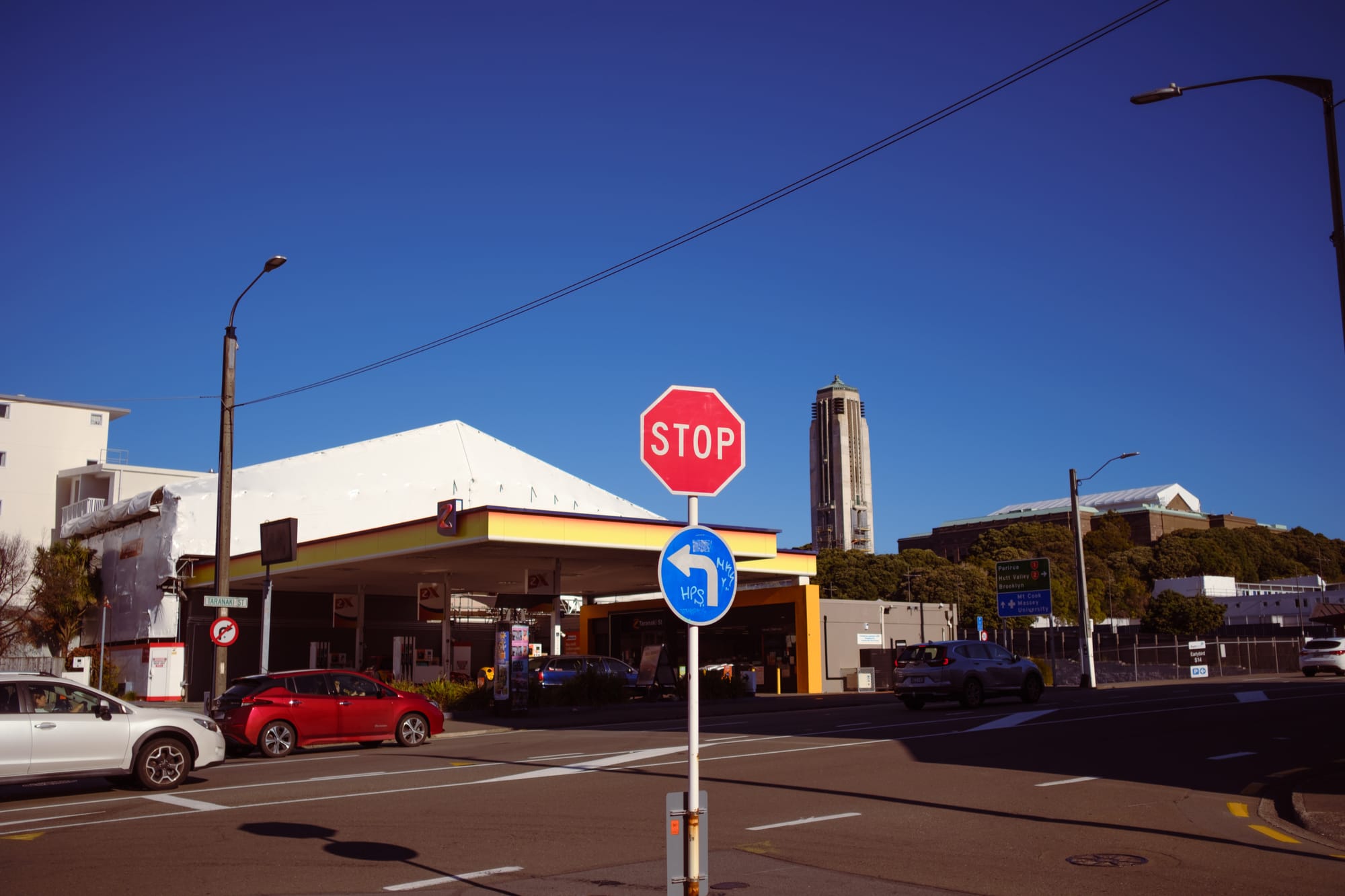
First, paint bus lanes everywhere. Wellington has multiple frequent bus routes. We need those buses freed from traffic. Adding temporary bus lanes by removing parking on bus routes will make our existing services more frequent, reliable, and faster.
Second, add bike lanes everywhere. Bike lanes are surprisingly easy to pop up with planter boxes. Many of our roads could be transformed with a protected bike lane in the next few months. Doing so would mean anyone with $50 to buy a bike on TradeMe would have immediate access to free transport. If they can afford a second hand e-bike, they’ll be even better off on our hilly terrain.
Third, make the Golden Mile car-free. Labour and conservative councillors delayed the Golden Mile project in November, but you could deliver the traffic changes without the roadworks in the next three weeks. Car-free streets, with access for emergency services, would speed up buses and encourage more people to take public transport to work.
Fourth, pedestrianise every low traffic street. Grey Street, Abel Smith Street, Maginnity Street. So many small streets in Wellington are begging to be pedestrianised with astroturf, paint, and cheap planter boxes. Each individually would only have a small impact, but collectively restricting car access makes non-essential driving far less attractive. All of these streets could still be accessible by emergency and delivery vehicles to keep the economy and society running.
Lastly, narrow the lanes. Slower driving uses less fuel per kilometre, so we need cars to slow down. Most of the central city is 30km/h, but people often go 50km/h (or more!). To make drivers slow down and save fuel, we must narrow the lanes. Narrower lanes make drivers more cautious, slowing their speed instinctually. This would be easily done with the same cheap materials as the rest of this plan: planter boxes, paint, and modular installation.
All of these ideas are possible through cheap materials and council traffic resolutions - council level changes to street use and rules. A portion of the road maintenance budget could be dedicated to delivering this solution. The solutions are entirely achievable, without the Beehive’s help.
Given the incredible experience that other cities have had with these kinds of measures, I have no doubt it would make Wellington a lot cheaper to live in. People would still move through the city, to work, to school, but they’d have the option to do so without paying skyrocketing fuel costs.
As food gets more expensive, that will help a lot of families get by.
And as a bonus, it would be a great opportunity to see how much better our city when there’s balanced transport options.
To anyone who says it can’t be done, I have one thing to say.
Countries around the world have taken radical action in response to crises before. Six years ago, nations supported scientists to create an effective and safe COVID-19 vaccine within one year. That same year, New Zealand housed every homeless person within weeks.
In a world where rising oil prices risk the worst off going hungry, including our poorest in New Zealand, our solution should not be begrudgingly accepting oil’s vice grip over our lives.
An ambitious, creative approach is necessary. We can reshape our system to be resilient against fossil fuels with rapid, effective action. When New Zealand went hard against COVID-19, that is what people appreciated and supported.
It’s a scary time to be alive, but we do not have to feel hopeless. At every level of society, we can act creatively to save costs and help one another.
The climate and our communities will be better off for it.